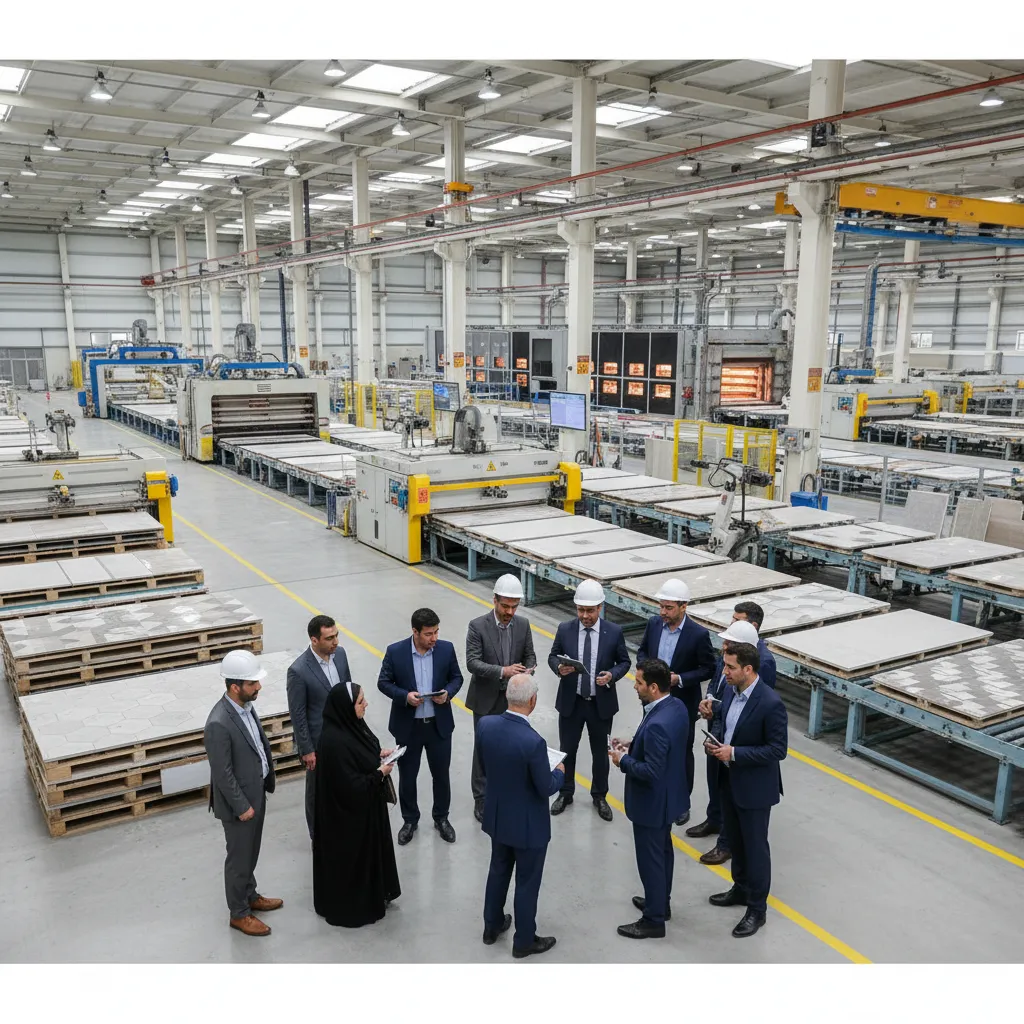
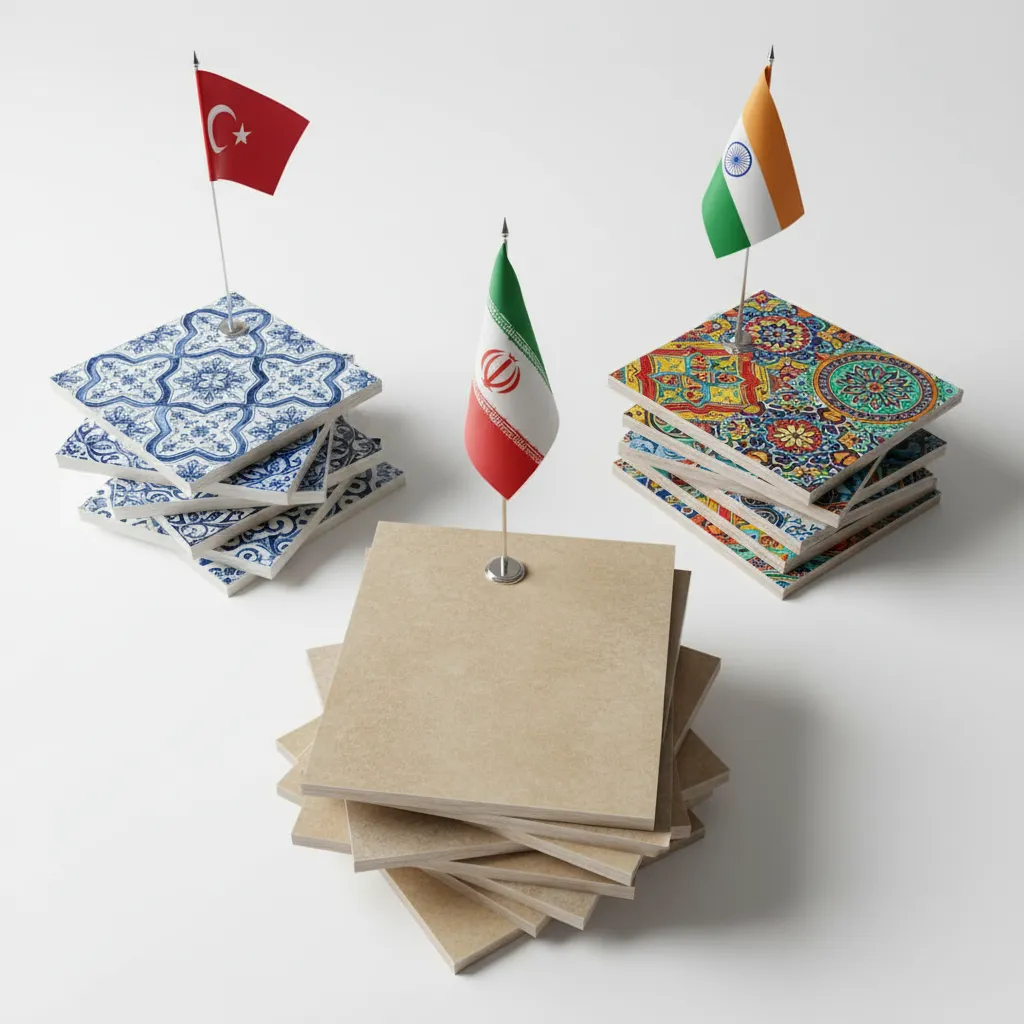
Ceramic tile industry is a significant and strategic sector in Iran. Due to abundant mineral resources, skilled workforce, and advanced technologies, it possesses a high capacity for production and export. In recent years, with the growth of construction and the demand for building materials in Iran’s neighboring countries, ceramic tile export to these nations have become an economic priority. This article examines the state of ceramic tile export to Iran’s neighboring countries, analyzing the existing challenges and opportunities.
Ceramic Tile Market in Iran
As one of the largest ceramic tile producers in the Middle East, Iran has been able to produce high-quality products by utilizing modern technologies and creative designs. These products include various wall tiles, floor ceramic tiles, and porcelain tiles with matte, polished, and nano-polished glazes, which are in demand in both domestic and foreign markets. Furthermore, with numerous factories and high production capacity, Iran can meet the needs of global markets.
Target Countries for Ceramic Tile Export
Iran’s ceramic tile industry has a production capacity of 700 million square meters, of which 200 million square meters are exported. Currently, and ceramic tiles are exported to 52 countries worldwide, with Iraq accounting for the largest volume of exports. Each of Iran’s neighboring countries represents a suitable market for ceramic tile export for various reasons:
- Iraq: Given the country’s need to rebuild its infrastructure after years of war, the demand for building materials, including ceramic tiles, is very high. As a close neighbor with a similar culture, Iran can easily meet the needs of this market. Additionally, low customs tariffs on exports to Iraq make it a cost-effective market for ceramic tile export.
- Afghanistan: The development of construction and infrastructure projects in Afghanistan is increasing the demand for building materials. High-quality, affordable Iranian ceramic tiles can be an attractive option for this market. The close cultural and linguistic ties, as well as political and economic interactions between the two countries, facilitate exports to Afghanistan.
- Turkey: Although Turkey is a ceramic tile producer itself, certain unique Iranian products with distinctive designs can be well-received in the Turkish market. Customs discounts that Turkey offers to traders make this market popular for ceramic tile export.
- Armenia: Due to its geographical proximity and cultural relations, Armenia is a suitable market for Iranian products. Iran is one of the main exporters of various goods to this country. Good relations between Iran and Armenia and the influence of traders in the Armenian market create a foundation for the growth of ceramic tile export.
- Pakistan: With the rapid growth of the construction industry in Pakistan, this country can also be a suitable destination for ceramic tile export. Ceramic tile export to Pakistan rank second after oil exports, and Iran has significantly increased its exports to this country in recent years.
- Georgia: As a member of NATO and associated with the European Union, Georgia has eliminated value-added tax and, in some cases, customs tariffs on exports to this country in recent years. This can make ceramic tile export to Georgia very profitable.

Challenges and Opportunities
Exporting ceramic tiles to Iran’s neighboring countries comes with challenges that must be addressed:
- Competition with Local Producers: Many neighboring countries have local producers that may offer similar products at lower prices. Therefore, Iran must focus on the quality and design of its products to compete in the market.
- Trade Relations: One of the challenges of exporting is the lack of positive trade relations between Iran and important export countries. And despite the export of ceramic tiles to Iraq, Pakistan, and Afghanistan, there is no favorable market in these countries.
- Currency Fluctuations: Exchange rate fluctuations and economic crises are among the factors that affect the final cost of products and their exports, leading to reduced competitiveness.
However, there are also opportunities that can help boost exports:
- High Quality: The provinces of Isfahan and Yazd are sources of ceramic tile production in Iran due to their abundant mineral resources. Iranian products can compete in foreign markets due to their high quality and unique designs. Paying attention to customer needs and providing products tailored to their tastes can create a competitive advantage.
- Geographical Proximity: Proximity to neighboring countries and low transportation costs in Iran create a competitive advantage. This can increase the attractiveness of purchasing Iranian products.
- Development of Trade Relations: Strengthening economic and trade relations with neighboring countries can lead to increased export volumes. Holding exhibitions and trade negotiations can help identify new opportunities.
Conclusion
Ceramic tile export to Iran’s neighboring countries have high potential and can be a significant source of foreign exchange earnings for the country. Given the existing challenges and opportunities, it is necessary to develop precise plans in the areas of marketing, product quality improvement, and trade relations development to make the best use of this capacity. Ultimately, cooperation between the government, the private sector, and producers can greatly contribute to the achievement of export goals.
Due to the complexity of ceramic tile export, it is best to have sufficient information and knowledge of the target country’s market and conduct comprehensive research from reliable sources before entering this field. Iranian ceramic tiles, with their technical specifications and high quality, are well-positioned to compete in the Middle East and global markets. If you are looking for a reliable source with reasonable prices for exporting ceramic tiles, visit Kavian Ceram website and contact our experts.