Direct Factory vs. Trading Company: Which is Best for Importing Tiles from Iran?
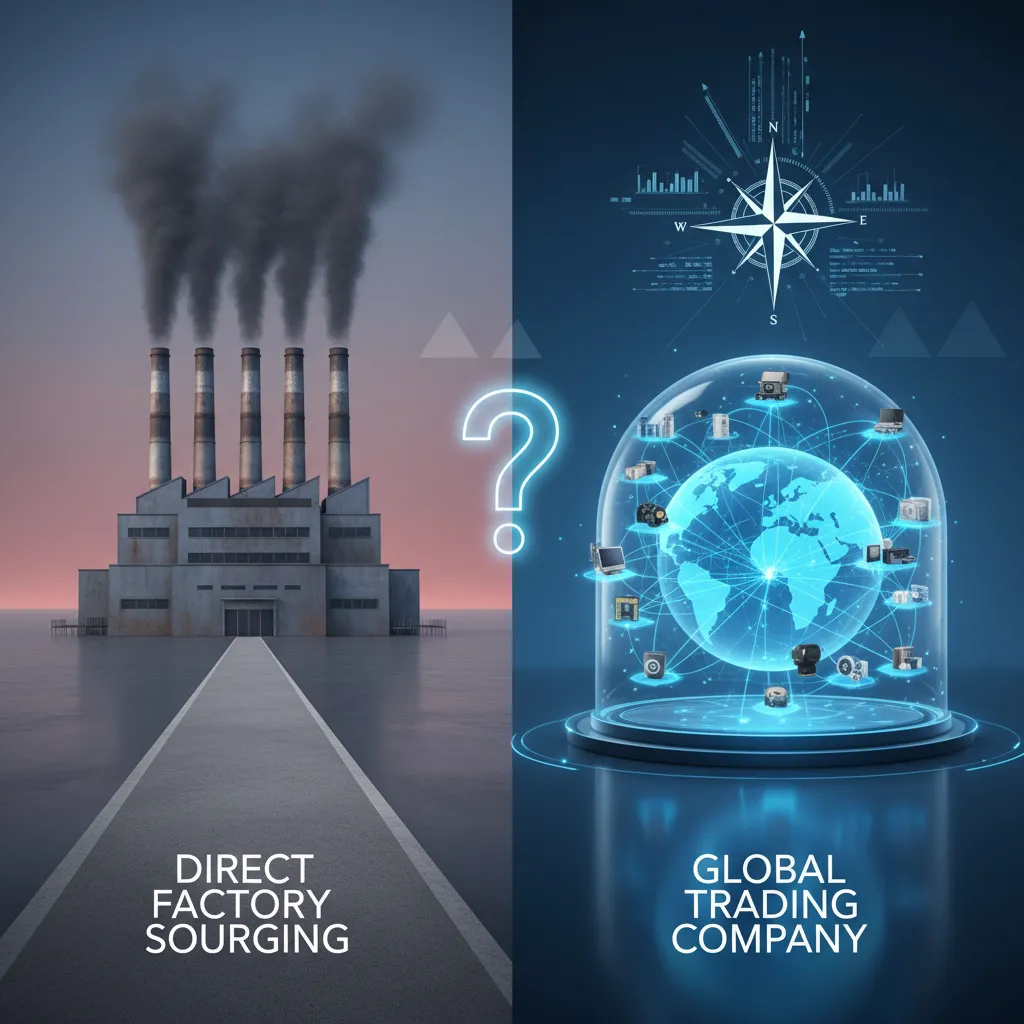
For international wholesalers, construction developers, and sourcing agents looking to procure high-quality tiles from Iran, a critical decision arises: should you buy directly from a factory or partner with an experienced trading company? This choice significantly impacts your supply chain efficiency, product variety, cost-effectiveness, and overall business success. Understanding the nuances of each approach is crucial for navigating the Iranian tile market.
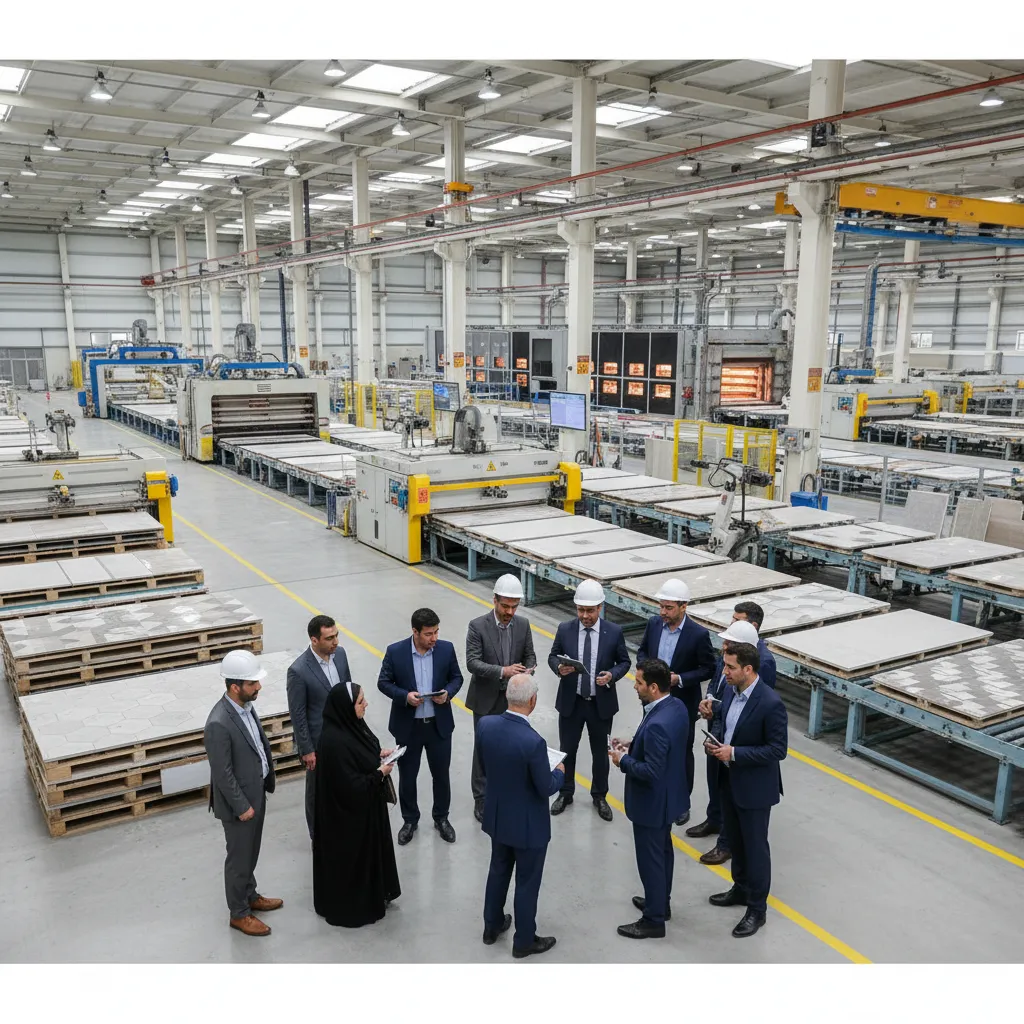
Iran’s tile industry has seen remarkable growth, leveraging advanced European machinery and abundant raw materials to produce tiles that meet global standards. However, the unique business environment requires strategic partnerships. For a comprehensive overview of the entire process, read our Ultimate Guide to Sourcing Tiles from Iran.
The Appeal of Buying Directly from a Factory
Many importers are initially drawn to the idea of purchasing directly from a manufacturing facility. The perceived benefits often include:

Potential for Lower Unit Price
The most common assumption is that cutting out the middleman (a trading company) will result in a lower per-unit cost. While this can sometimes be true for very large, single-product orders, it often overlooks other hidden costs and complexities that trading companies absorb. When considering Iran tiles exporters price list, it’s essential to look beyond the surface.
Direct Communication (Sometimes)
Engaging directly with a factory might offer a sense of control over the production process. However, this often comes with challenges related to language barriers and differing business cultures, which can hinder effective communication.
Brand Loyalty and Exclusivity
Some importers seek to establish long-term relationships with a specific factory for exclusive designs or consistent branding. This can be beneficial if your market demands a very niche product line from a single source, but it limits your flexibility and variety.
The Challenges of Direct Factory Sourcing
While direct factory sourcing has its allure, it comes with a significant set of challenges, especially in a market like Iran:
Limited Product Range
A single factory specializes in a particular range of products, sizes, and designs. If your customers demand variety – perhaps a mix of porcelain and ceramic, different finishes, or various sizes like 60×120 and 80×80 – you would need to deal with multiple factories. This multiplies your administrative burden, shipping complexities, and payment processes. To explore more about Iran tile manufacturers, you’ll find that each has its own specialties.
Language and Communication Barriers
Many factory representatives in Iran may not have strong English communication skills, leading to misunderstandings regarding specifications, delivery schedules, and payment terms. This can cause costly delays and errors.
Complex Logistics and Export Paperwork
Factories are primarily focused on production, not international logistics. Handling export documentation, customs clearance, freight forwarding, and managing various shipping terms (FOB, CIF, EXW) for each factory can be a logistical nightmare for importers. This is where a ceramic tile trading company truly shines.
Quality Control and Risk Management
Ensuring consistent quality across multiple orders, especially when dealing with different factories, is a major concern. Without a local presence, verifying product quality before shipment can be challenging. Issues like breakage during transit due to inadequate ceramic tile packaging can lead to significant losses. Factories might prioritize production volume over meticulous quality checks for individual export orders.
Minimum Order Quantities (MOQs)
Factories typically impose higher MOQs for each specific product line. This can be restrictive for importers who need smaller quantities of diverse products to test markets or cater to varied client demands.
The Strategic Advantage of a Trading Company
For most international buyers, partnering with a reputable trading company like KavianCeram offers a more efficient, less risky, and ultimately more profitable route for importing tiles from Iran.
Unmatched Product Variety and Consolidation
A key benefit of a trading company is its ability to source from multiple factories. This means you can mix and match different types of tiles, sizes, and designs from various manufacturers (e.g., Zohreh, Almas Kavir, Marjan, Semnan) into a single container or truckload. This consolidation capability is invaluable, allowing you to offer a diverse product portfolio to your clients without the logistical complexities of dealing with each factory individually. It’s a crucial step in how to become a successful importer of Iranian tiles.
Streamlined Communication and Export Expertise
Trading companies provide a single point of contact with professional, English-speaking staff. They act as your local representatives, understanding both your requirements and the intricacies of the Iranian market. They handle all negotiations, ensure clear communication, and manage all export paperwork, simplifying the entire process for you.
Comprehensive Quality Assurance
Reputable trading companies have established quality control (QC) processes. They act as your eyes and ears on the ground, inspecting products at various stages, from production to loading. This ensures that the tiles meet your specified quality standards and are appropriately packaged for rough land transport or sea freight, mitigating the risk of damage.
Flexible Logistics and Customs Support
Trading companies specialize in international logistics. They can arrange efficient transportation, whether it’s land freight for neighboring countries like Iraq, Azerbaijan, or Turkmenistan, or sea freight for GCC countries. They handle all customs procedures and documentation, ensuring a smooth and timely delivery to your destination.
Risk Mitigation and Problem Solving
Unexpected issues can arise in any international trade. A trading company acts as a buffer, quickly resolving problems related to production delays, quality discrepancies, or logistical challenges, protecting your interests and minimizing potential losses.
Access to Multiple Manufacturers
KavianCeram, for example, sources from a wide network of reputable Iranian tile manufacturers, including Marjan Tile Iran and Alborz Tile. This extensive network means you get access to the best products from across the country, not just what one factory offers. This broad access is essential for understanding the Iran ceramic tiles market and its opportunities.
Why KavianCeram is Your Ideal Partner
At KavianCeram, we understand the specific needs of international importers. Our business model is built around providing a seamless and reliable sourcing experience. We consolidate orders from various top Iranian factories like Zohreh, Almas Kavir, Marjan, and Semnan, allowing you to create mixed containers tailored to your market demands. Our dedicated English-speaking team handles all communication, negotiations, quality control, and export paperwork, from Proforma Invoice to Bill of Lading. We ensure your tiles are meticulously inspected and packaged for secure transit, whether by road or sea. By partnering with KavianCeram, you leverage our expertise, extensive network, and commitment to quality, enabling you to focus on your sales and distribution while we manage the complexities of importing from Iran.
Conclusion
While direct factory sourcing might seem appealing for its perceived cost savings, the reality for most international tile importers is that the complexities and risks often outweigh the benefits. Partnering with a specialized trading company like KavianCeram provides unparalleled advantages in product variety, communication, quality assurance, logistics, and risk management. This strategic choice not only streamlines your import process but also enhances your profitability and market competitiveness by offering a wider range of high-quality Iranian tiles with minimal hassle.
Frequently Asked Questions
Q: What are the main disadvantages of buying tiles directly from an Iranian factory?
A: The main disadvantages include limited product variety from a single factory, potential language barriers, complex logistics and export paperwork, challenges in independent quality control, and often higher minimum order quantities (MOQs) for specific products.
Q: How does a trading company like KavianCeram help with product variety?
A: KavianCeram sources from a wide network of top Iranian factories. This allows importers to consolidate various types of tiles, sizes, designs, and even different manufacturers’ products into a single container or truckload, providing unmatched product diversity.
Q: Can a trading company assist with logistics and customs for importing tiles from Iran?
A: Yes, a specialized trading company like KavianCeram excels in managing international logistics, including freight forwarding (land or sea), customs clearance, and all necessary export documentation, ensuring a smooth delivery process to your destination.
Q: What role does a trading company play in quality control?
A: Trading companies typically have established quality control (QC) processes. They act as your local representatives, conducting inspections at various stages, from production to loading, to ensure products meet specified quality standards and are properly packaged for transit, thereby mitigating risks of damage or defects.
Q: Is it more cost-effective to buy from a factory or a trading company in the long run?
A: While direct factory purchasing might offer a slightly lower unit price on paper for very large, single-product orders, a trading company often proves more cost-effective in the long run. They reduce hidden costs associated with communication barriers, logistical complexities, quality control issues, and the need to manage multiple suppliers, ultimately saving time and resources for the importer.