Iranian vs. Turkish & Indian Tiles: A Price and Quality Comparison for 2026
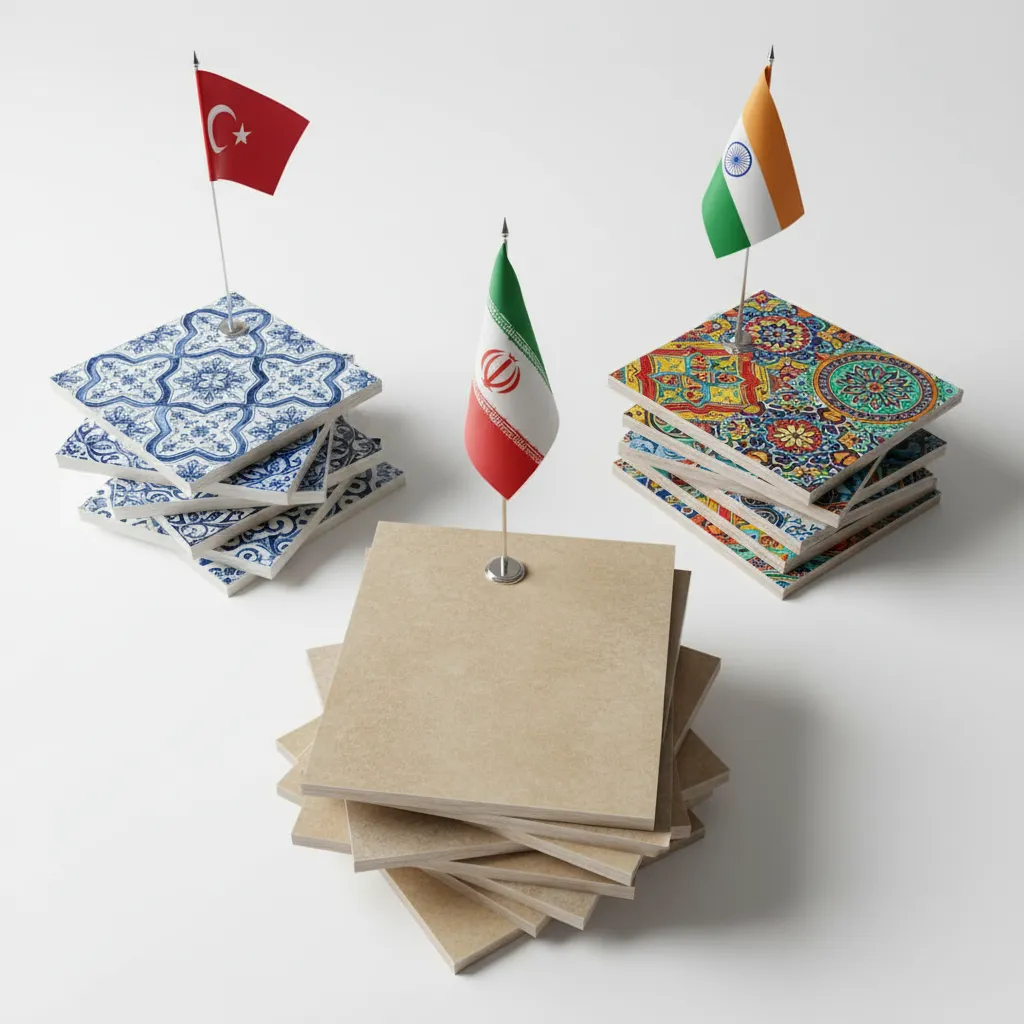
For import wholesalers, construction developers, and sourcing agents navigating the global tile market, understanding the competitive landscape is crucial. As we approach 2026, the ceramic and porcelain tile industry continues to evolve, with Iran, Turkey, and India emerging as key players. This comprehensive guide provides an in-depth comparison of tiles from these three major exporting nations, focusing on price, quality standards, and logistical advantages, to help you make informed purchasing decisions.
The global demand for high-quality, cost-effective building materials drives a constant search for optimal sourcing solutions. While Turkish and Indian tiles have long held significant market shares, Iranian tiles are increasingly gaining recognition for their exceptional value proposition. With advancements in manufacturing technology and strategic geographical positioning, Iran offers a compelling alternative for traders, particularly those operating in the MENA and CIS regions. For a deeper dive into the overall process, consider reading The Ultimate Guide to Sourcing Tiles from Iran: A Handbook for Traders in MENA & CIS Regions.
The Iranian Tile Industry: A Rising Powerhouse
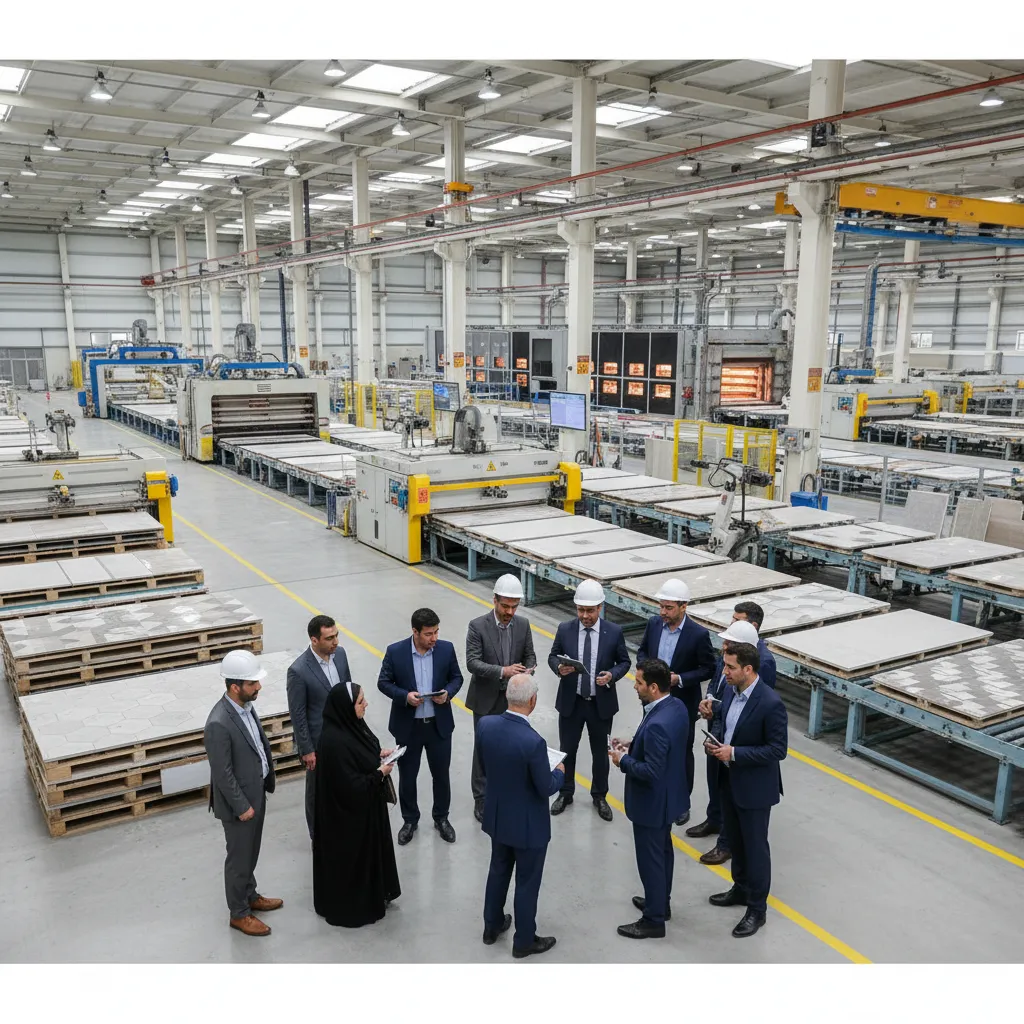
Iran’s ceramic tile industry has undergone significant modernization over the past two decades. Leveraging abundant natural resources, low energy costs, and a skilled workforce, Iranian manufacturers have invested heavily in state-of-the-art European machinery and technology. This commitment to innovation has allowed them to produce tiles that meet stringent international quality standards, often comparable to those from Italy and Spain, but at a significantly lower production cost. You can explore the various types, including Iranian Porcelain, which is highly sought after.
Key Advantages of Iranian Tiles:
- Cost-Effectiveness: Low domestic energy prices (natural gas) and competitive labor costs translate directly into lower FOB (Free On Board) prices for Iranian tiles. This creates substantial margins for importers and developers.
- High-Quality Production: Many Iranian factories utilize advanced pressing, glazing, and firing technologies, producing durable, aesthetically pleasing tiles with excellent technical specifications. This includes a wide range of products, from Iran Bathroom Tiles to Iran Wall Tiles.
- Rich Raw Materials: Iran possesses vast reserves of high-quality clay, feldspar, and silica, ensuring a consistent supply of superior raw materials for tile production.
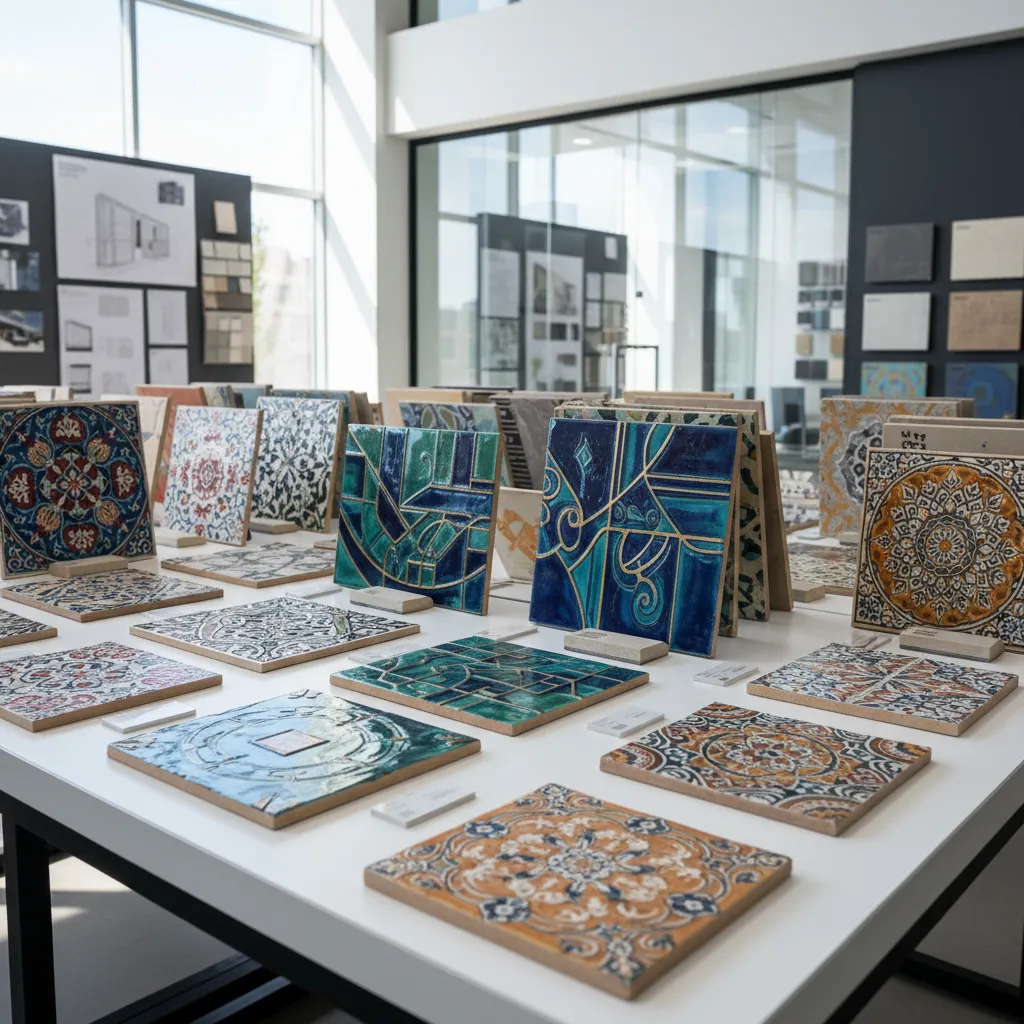
- Diverse Designs and Sizes: Iranian manufacturers offer an extensive catalog of designs, colors, and finishes, including popular large formats like 60×120 Tiles and elaborate patterns, mirroring global trends. You can review the Iran Tile Catalog for more details.
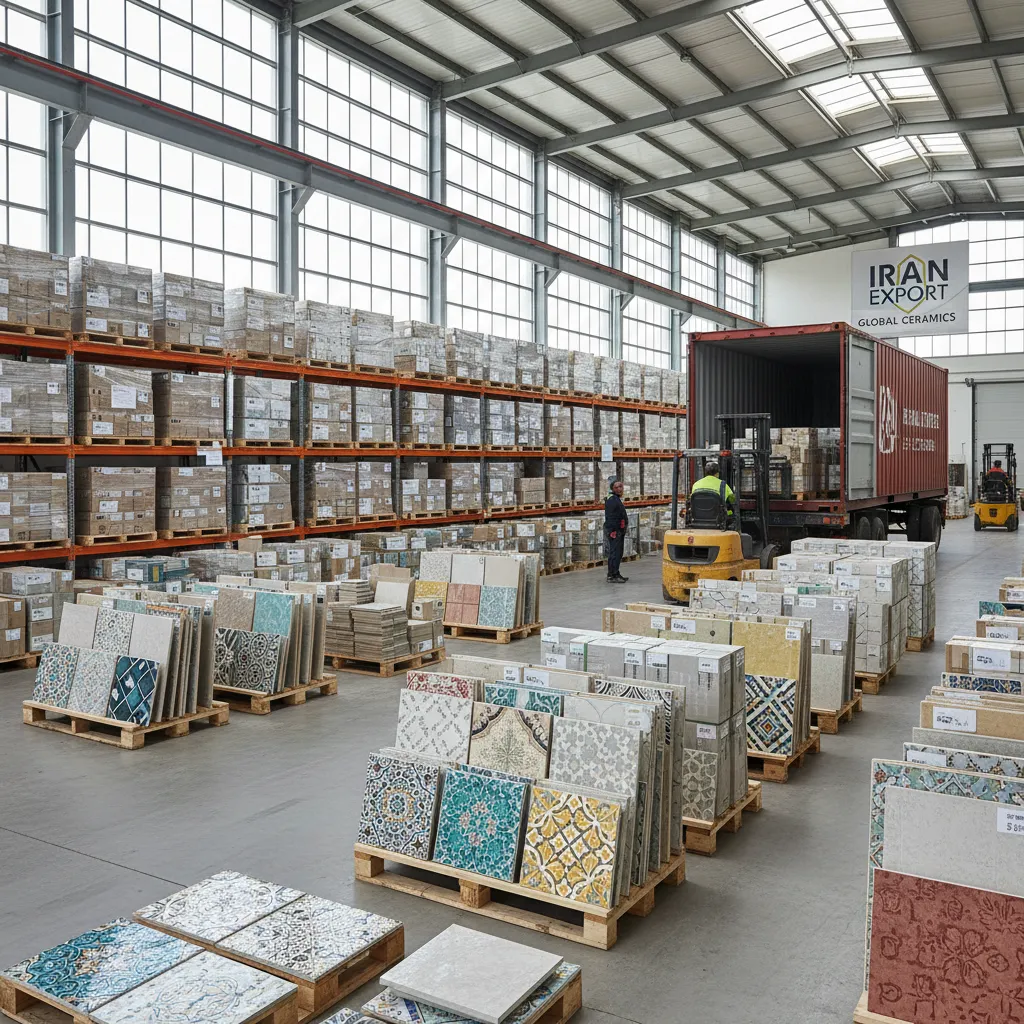
- Strategic Location: For markets in the Middle East, North Africa, and CIS countries, Iran offers unparalleled logistical advantages, leading to shorter lead times and reduced shipping costs.
The growth trajectory of the Iran Ceramic Tiles Market presents significant opportunities for traders looking for a competitive edge. To understand how to capitalize on this, refer to our guide on How to Become a Successful Importer of Iranian Tiles.
Turkish Tiles: Quality and European Access
Turkey has long been a prominent player in the global tile market, known for its blend of design sophistication and manufacturing quality. Strategically located between Europe and Asia, Turkey benefits from strong trade links and a well-developed industrial base.
Key Aspects of Turkish Tiles:
- European Standards: Turkish tile manufacturers often adhere to European quality standards, making them a reliable choice for projects requiring specific certifications.
- Design-Oriented: The Turkish industry is highly responsive to design trends, offering a wide array of contemporary and classic tile designs.
- Established Export Networks: Turkey has robust export infrastructure and established relationships with distributors worldwide, particularly in Europe and North America.
- Pricing: While generally more competitive than Western European tiles, Turkish tiles typically command higher prices than their Iranian or some Indian counterparts, reflecting their established brand presence and production costs.
Indian Tiles: Volume and Affordability
India is one of the world’s largest producers and consumers of ceramic tiles, characterized by its massive production capacity and focus on affordability. The industry is largely concentrated in Gujarat, benefiting from local raw material availability and a vast domestic market.
Key Aspects of Indian Tiles:
- Mass Production: India excels in high-volume production, catering to budget-sensitive markets globally.
- Competitive Pricing: Indian tiles are often among the most competitively priced, making them attractive for large-scale, cost-conscious projects.
- Variety: A wide range of products are available, from basic ceramic tiles to polished vitrified tiles, though quality can vary significantly between manufacturers.
- Market Focus: While expanding into higher-end products, the Indian industry’s strength remains in providing affordable solutions for mass markets, particularly in Africa and Southeast Asia.
- Logistical Challenges: For MENA and CIS regions, shipping from India can sometimes incur longer lead times and higher freight costs compared to Iran.
2026 Price and Quality Comparison: Iran vs. Turkey vs. India
Let’s delve into a direct comparison to highlight the distinct advantages each country offers for the upcoming year.
| Feature | Iranian Tiles | Turkish Tiles | Indian Tiles |
|---|---|---|---|
| FOB Price (Relative) | Very Competitive (Low) | Competitive (Medium) | Highly Competitive (Low-Medium) |
| Quality Standards | High, European-comparable | High, European-compliant | Varied, from mass-market to good quality vitrified |
| Design & Aesthetics | Modern, diverse, trending | Contemporary, strong design focus | Wide range, from traditional to modern |
| Technology Adoption | Advanced, European machinery | Advanced, modern facilities | Mixed, from basic to advanced |
| Lead Times (to MENA/CIS) | Shortest | Medium | Longer |
| Logistical Costs (to MENA/CIS) | Lowest | Medium | Higher |
| Market Niche | Value-driven, quality-conscious, regional focus | Mid-to-high end, global presence | Mass market, affordability-driven |
As the table illustrates, Iranian tiles present a compelling proposition for those seeking a balance of high quality and exceptional value. While Turkish tiles maintain a strong position for their design and European quality assurance, and Indian tiles excel in mass-market affordability, Iran’s unique combination of low production costs and proximity to key markets offers a significant competitive advantage. This is especially true for large-scale projects where Iran Tiles Exporters Price List can demonstrate substantial savings. You can also compare this further by looking at Comparing the Price and Quality of Ceramic Tiles from Different Countries.
Return on Investment (ROI) and Long-Term Value
For import wholesalers and construction developers, ROI is paramount. Investing in Iranian tiles means acquiring products with European-grade quality at a fraction of the cost, directly boosting your profit margins. The reduced shipping costs and shorter lead times to MENA and CIS markets further enhance this ROI by minimizing logistical overheads and accelerating project timelines. This makes sourcing from Iran Tile Manufacturers a smart strategic move.
Furthermore, the durability and aesthetic appeal of modern Iranian tiles ensure long-term customer satisfaction and reduce potential warranty claims, contributing to a strong brand reputation. Companies like KavianCeram, as a leading Ceramic Tile Trading Company, are dedicated to facilitating seamless export processes, ensuring quality control, and providing competitive pricing for a wide range of products. We pride ourselves on representing the best Iranian tiles.
Navigating Sourcing and Logistics with KavianCeram
While the advantages of Iranian tiles are clear, navigating international trade, especially with sanctions, requires expertise. KavianCeram specializes in streamlining the sourcing and export process from Iran. We handle everything from quality assurance and packaging to documentation and logistics, ensuring a smooth transaction for our international partners. We work with Top Rated Iran Tiles Exporters to bring you the best.
Our extensive network with Irani Tiles Company List and deep understanding of the market enable us to offer competitive pricing and a diverse product portfolio, including specialized items like Book Match tiles. We are committed to providing transparency and efficiency, making us the ideal partner for your tile import needs. You can view all our offerings on our Products page.
Conclusion
As we look towards 2026, the comparative analysis clearly positions Iranian tiles as a superior choice for import wholesalers, construction developers, and sourcing agents seeking a potent combination of high quality, diverse designs, and unparalleled cost-effectiveness. While Turkish and Indian tiles serve their respective market segments well, Iran offers a strategic advantage, especially for businesses targeting the MENA and CIS regions, due to its competitive pricing, advanced production capabilities, and logistical benefits. Partnering with a reliable exporter like KavianCeram can unlock these opportunities, ensuring that your projects benefit from the best value the global tile market has to offer.
Frequently Asked Questions
Q1: Are Iranian tiles of comparable quality to European tiles?
A1: Yes, many Iranian tile manufacturers utilize advanced European machinery and adhere to international quality standards, producing tiles that are often comparable in quality, durability, and aesthetic appeal to those from leading European producers.
Q2: What makes Iranian tiles more cost-effective than Turkish or Indian tiles?
A2: Iranian tiles benefit from significantly lower energy costs (due to abundant natural gas reserves) and competitive labor costs within Iran. These lower production overheads translate directly into more attractive FOB prices for importers, offering better margins compared to Turkish or most Indian tiles, especially for high-quality products.
Q3: What are the logistical advantages of importing tiles from Iran to MENA and CIS regions?
A3: Iran’s geographical proximity to MENA (Middle East & North Africa) and CIS (Commonwealth of Independent States) countries results in shorter shipping distances, reduced freight costs, and faster lead times compared to sourcing from Turkey or India. This logistical advantage significantly impacts overall project costs and delivery schedules.
Q4: How does KavianCeram ensure the quality of Iranian tiles for export?
A4: KavianCeram implements stringent quality control measures throughout the sourcing and export process. We partner with top-rated Iranian manufacturers, conduct thorough inspections, and ensure all products meet agreed-upon technical specifications and international standards before shipment. Our expertise in the Iranian market allows us to identify and work with the best suppliers.
Q5: Can KavianCeram assist with navigating payment solutions for Iranian tile imports?
A5: Yes, KavianCeram has extensive experience in facilitating international transactions and can guide importers through various payment solutions, overcoming potential banking hurdles. We work to ensure secure and efficient financial processes for our clients.