Isfahan Tile: Where Persian Artistry Meets Architectural Splendor
For centuries, the name Isfahan has resonated as a jewel of Persian civilization, synonymous with breathtaking architecture and an unparalleled artistic heritage. At the heart of this visual symphony lies a timeless treasure: Isfahan tile. More than mere decoration, Isfahan tile represents a pinnacle of tile artistry, weaving intricate patterns and vibrant colors into the very fabric of Iran’s cultural identity. This article delves into the captivating world of Isfahan tile, exploring its history, craftsmanship, and enduring appeal, while introducing you to Kavian Ceram, your premier gateway to this and other Iranian ceramic masterpieces.
A Legacy Set in Tile: The History of Isfahan Tile
The zenith of Isfahan tilework blossomed during the Safavid dynasty (16th-17th centuries), particularly under Shah Abbas I, who transformed Isfahan into his magnificent capital. Grand projects like Naqsh-e Jahan Square (Imam Square), the Sheikh Lotfollah Mosque, and the Imam Mosque (Shah Mosque) became colossal canvases for tile artists. These structures showcase the evolution of techniques:
- Moaraq (Mosaic): The most revered and painstaking technique. Small, individually cut pieces of monochrome glazed tiles (often just 1-2 cm²) are assembled like a puzzle to create elaborate geometric, floral, and calligraphic patterns. The result is a seamless, jewel-like surface of breathtaking complexity.
- Haft Rang (Seven Colors): Developed later, this method involves painting intricate designs directly onto a single, larger tile using up to seven mineral-based pigments (cobalt blue, turquoise, white, black, yellow, green, red) before a final glaze firing. This allowed for more fluidity and detail in figurative scenes and landscapes alongside traditional patterns.
- Banna’i (Brickwork): Combining bricks and tiles to create geometric patterns directly in the wall structure, adding texture and dimension.
Isfahan Tile Today: From Mosques to Modern Spaces
While still vital in restoring Iran’s magnificent historical monuments, Isfahan tile has transcended its purely architectural roots. Contemporary artisans and workshops keep the traditions alive, producing tiles for:
- Modern Architecture: Feature walls, entrance portals, fireplace surrounds, and interior accents in homes, hotels, and public buildings globally.
- Decorative Objects: Trays, plates, tabletops, frames, and standalone art pieces.
- Interior Design: Creating unique backsplashes, bathroom features, and artistic panels.
Owning Isfahan tile means incorporating a piece of living history and supreme craftsmanship into any space. Its beauty lies in its ability to bridge centuries, bringing the grandeur of Safavid Persia into contemporary design.
Kavian Ceram: Your Trusted Partner for Authentic Iranian Tiles
Appreciating the beauty of Isfahan tile is one thing; sourcing it authentically and reliably, especially from outside Iran, is another. This is where Kavian Ceram steps in.
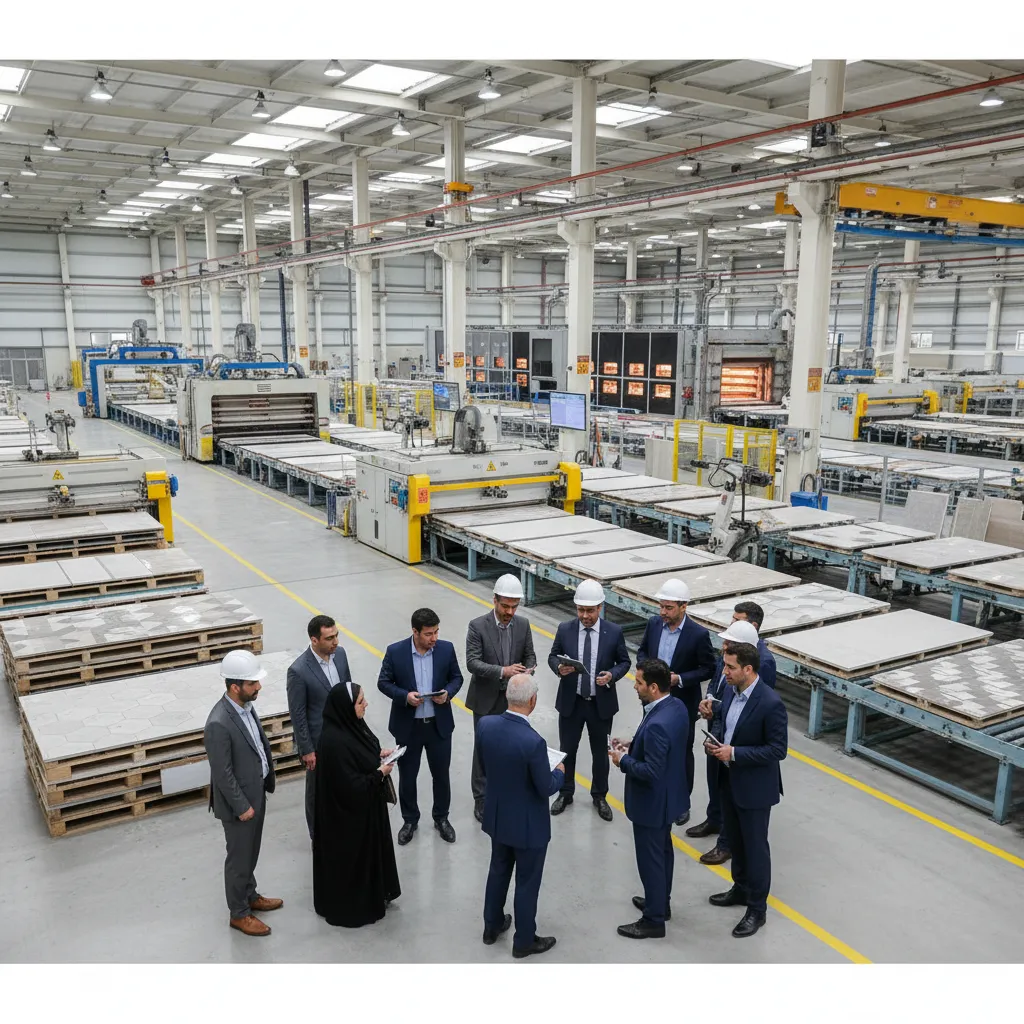
Kavian Ceram is one of the leading major distributor and supplier of premium ceramic tiles and stoneware across Iran. We pride ourselves on our deep understanding of Iran’s diverse ceramic landscape and our extensive network connecting the finest workshops and manufacturers with discerning clients worldwide.
Why Partner with Kavian Ceram for Isfahan Tile and More?
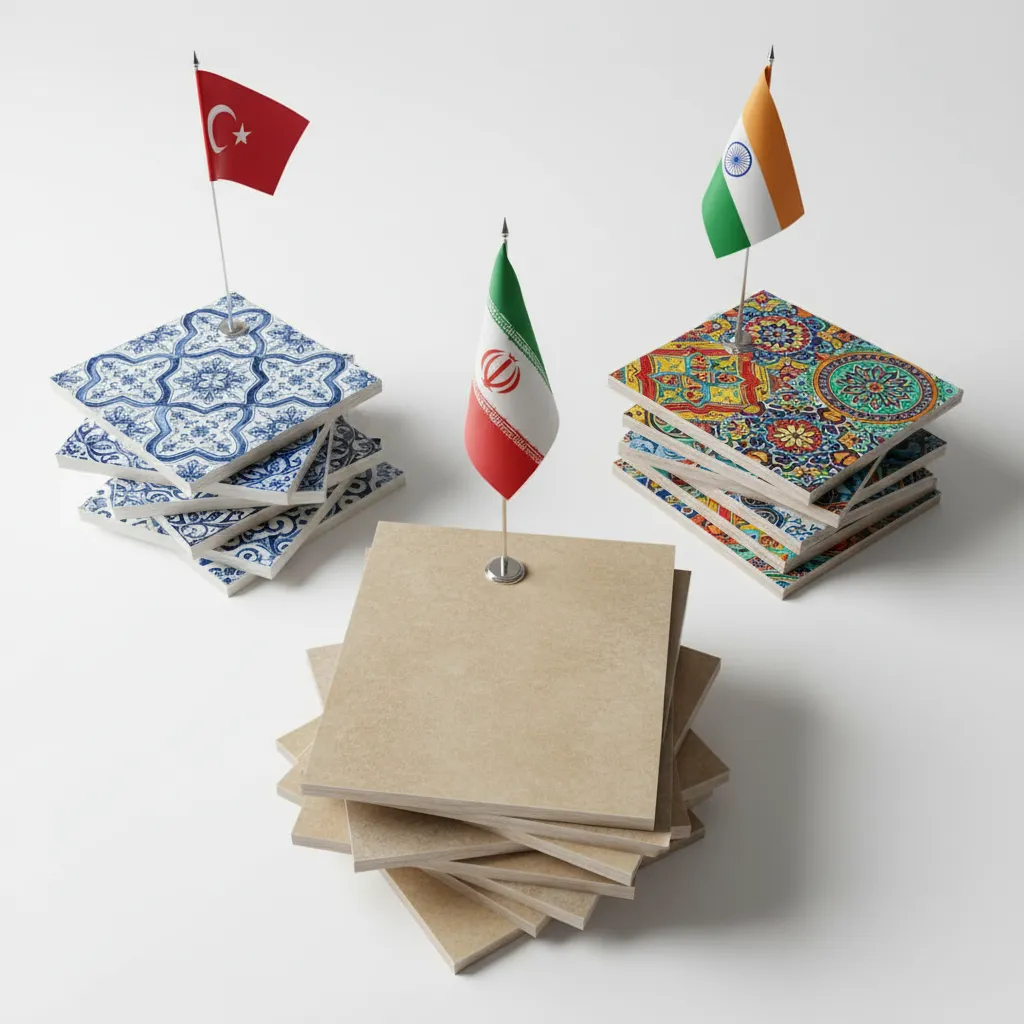
- Nationwide Sourcing, Single Point of Contact: Iran boasts unique tile styles and production hubs in various cities – from the intricate blues of Isfahan and Kashan to the distinctive designs of Yazd, Tabriz, and Mashhad. Kavian Ceram leverages its nationwide presence to source authentic, high-quality tiles from any major ceramic center in Iran, saving you the complexity of dealing with multiple suppliers.
- Authenticity & Quality Guaranteed: We have a rigorous selection process, ensuring the tiles we offer, including genuine Isfahan tiles, meet the highest standards of craftsmanship, materials, and aesthetic authenticity. We understand the difference between true artisan work and mass-produced imitations.
- Dedicated Export Expertise: We specialize in serving international clients. Our team is fluent in the logistics, documentation (certificates of origin, quality control), and best practices for safely packaging and shipping fragile ceramic treasures worldwide.
- Comprehensive Solutions: Whether you are an architect specifying materials, an interior designer sourcing unique pieces, a contractor working on a heritage project, or a private collector, Kavian Ceram provides tailored solutions. We can handle orders of varying scales, from individual decorative pieces to large commercial shipments.
- Cultural Bridge: We are passionate about sharing Iran’s rich ceramic heritage. We provide information and context about the tiles you purchase, enhancing your understanding and appreciation.
Bring Persian Artistry to Your World
Isfahan tile is more than just a building material; it’s a vibrant narrative of Persian culture, artistry, and spiritual expression set in clay and glaze. Its timeless elegance continues to captivate hearts and inspire spaces globally.
Let Kavian Ceram be your trusted guide and supplier. Whether your project calls for the legendary blues of Isfahan, the unique patterns of Yazd, or any other specialty tile from Iran’s rich ceramic centers, we have the expertise, network, and dedication to deliver authentic quality directly to you, wherever you are in the world.
Explore the possibilities. Contact Kavian Ceram today and discover how we can transform your vision with the unparalleled beauty of Iranian ceramics.
FAQs
1- What makes Isfahan tile different from other Persian tiles?
While many Iranian cities produce beautiful tiles, Isfahan tiles are particularly renowned for their intricate mosaic work (Moaraq), the iconic cobalt blue and turquoise color palette, and their historical association with the Safavid era’s grand architectural masterpieces. The level of detail and the specific artistic styles developed in Isfahan workshops set them apart.
2- Can Isfahan tiles be used outdoors?
Traditionally, they were used extensively on exterior facades and domes in Iran’s climate. However, for modern installations outside Iran, especially in regions with freeze-thaw cycles or high pollution/acid rain, extreme caution is needed. The traditional glazes and clay bodies might not withstand harsh conditions. It’s generally recommended for interior use or protected exterior areas (covered patios, entryways). Consult specialists for exterior applications.
3- Can Kavian Ceram source tiles from cities other than Isfahan?
Absolutely! Kavian Ceram is a nationwide distributor. We can source high-quality ceramic tiles from all major production centers across Iran, including Kashan, Yazd, Mashhad, and more, each with their own unique styles and specialties.
4- Do you offer custom tile designs?
Yes. Please let us know your specific needs.