Iran Tile: The Definitive Guide to Artistry, Innovation, and Global Value
Iran tile industry has deep historical roots and a strong global presence. Tiling in Iran dates back centuries – for example, artisans in ancient cities like Bishapur decorated palaces and temple walls with glazed tiles. Persian tiles art reached its peak during the Islamic era, with famous mosques and palaces covered in vibrant tile mosaics.
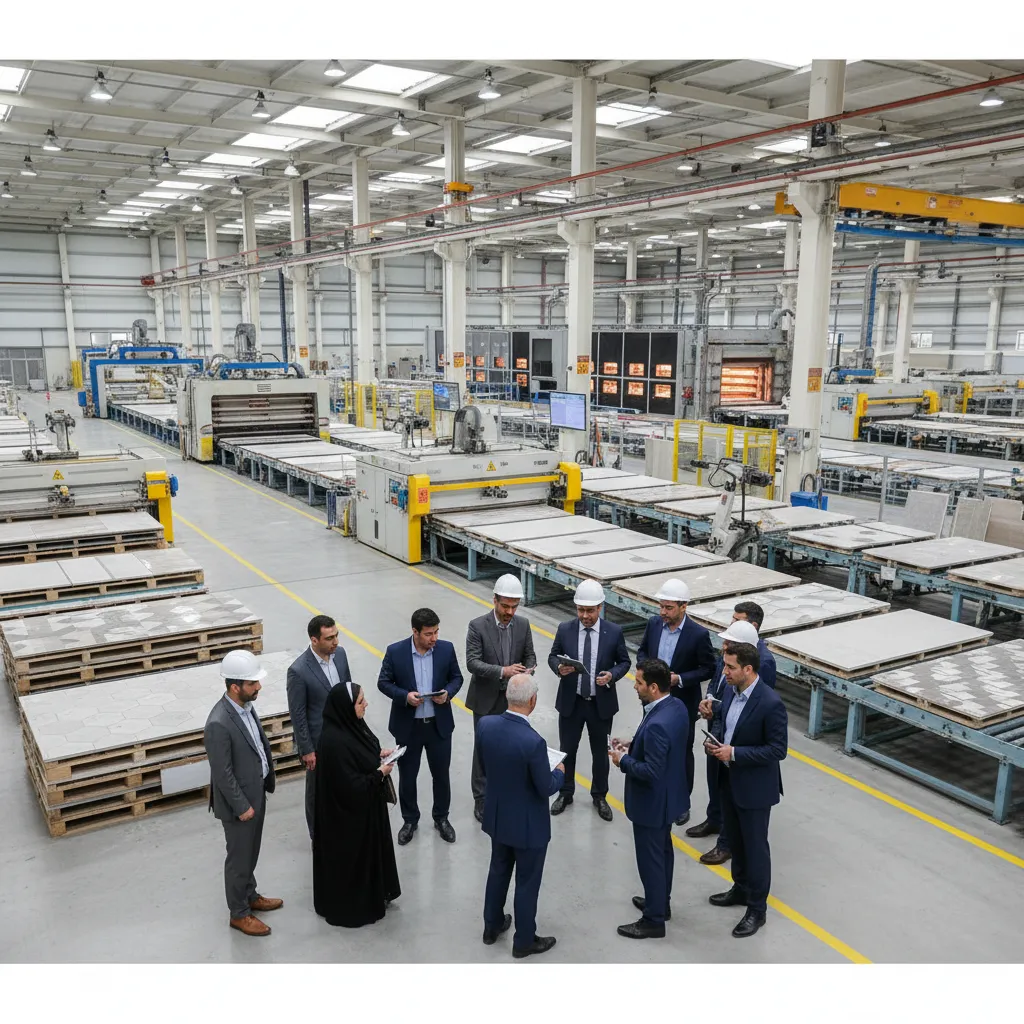
Today, modern Iranian factories combine this artistic tradition with advanced production technology. Iran has consistently ranked among the world’s top five countries in tile production and sixth in exports over recent years, producing nearly 500 million square meters annually. The sector employs roughly 450,000 people, many in the Yazd and Isfahan regions. Even under international sanctions, Iran exports ceramic tiles to over 50 countries by focusing on nearby markets in Asia, the Middle East and Eastern Europe. As a result, Iranian ceramic tiles are familiar in building projects across the region, helping sustain the industry when domestic demand fluctuates. In sum, Iran’s combination of rich design heritage and large-scale production has made its tiles a competitive choice worldwide.
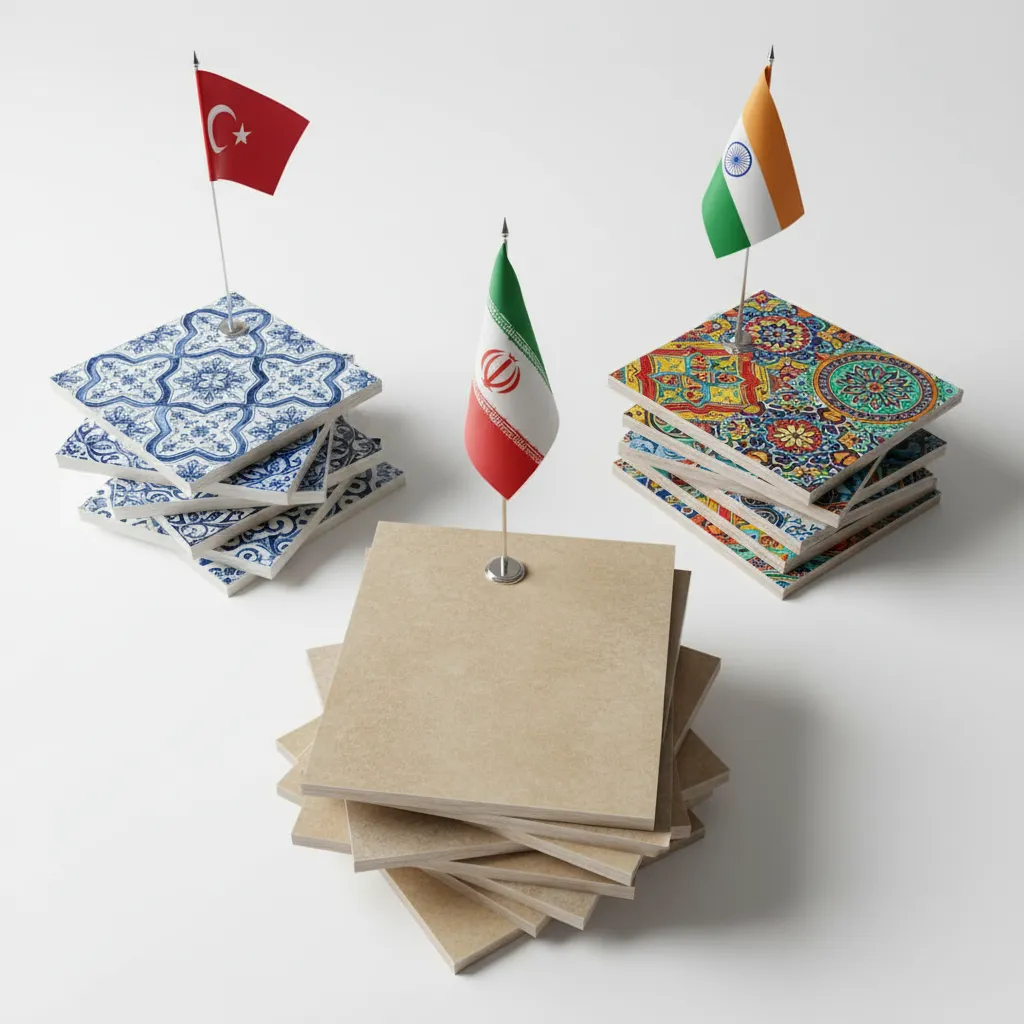
Iranian tiles, often referred to as Persian tiles, are known for their vibrant colors and intricate patterns.
As international demand surges, this comprehensive guide unveils Iran’s ceramic tile landscape through the expertise of Kavian Ceram – Tehran’s premier distributor for industry titans like Zohreh Tile Company and Almas Kavir Tile.
About 73% of Iran’s tile exports now go to Iraq, with Afghanistan, Pakistan, Turkmenistan and the UAE taking much of the rest. Central Asian and African markets absorb additional volumes, reflecting Iran’s regional trade ties even under broader economic sanctions. In recent years several companies have achieved ISO quality certifications and begun to market their own brands internationally, often using Italian or Spanish equipment and designs to boost quality.
Iran Tile Manufacturers: Engineering Excellence
Iran is home to many ceramic tile producers, the vast majority privately owned. Major manufacturing centers include Yazd Province (which alone accounts for roughly half of Iran’s ceramic output), as well as factories around Isfahan and Khorasan. Leading brands include Zohreh Tile Company, Almas Kavir Tile, Meybod Tile Complex, Sedigh Ceram and Pasargad Ceram Abādeh and others.
These manufacturers work with networks of distributors and agents in Iran. Kavian Ceram is a trusted company for purchasing ceramic and porcelain tiles, thanks to its official partnerships with reputable manufacturers such as Zohreh Tile and Almas Kavir. These strong collaborations allow Kavian Ceram to offer high-quality products directly from the source. Moreover, the company features its own exclusive designs produced within these factories, giving customers access to unique and customized tile collections that combine aesthetic appeal with exceptional quality.
Kaviyan Ceram serves as the exclusive Tehran-Alborz distributor for these manufacturers, providing international buyers direct access to factories leveraging Iran’s unique advantages: Firstly, Iran benefits from low energy costs, which significantly reduce production expenses. Additionally, Iran has access to a skilled yet affordable labor force, further driving down manufacturing costs without compromising quality. The availability of high-quality and competitively priced raw materials in Iran also contributes to the superior standard of the final product. As a result, Iranian ceramic tiles combine excellent quality with cost-effectiveness, making them a smart choice for international buyers.
For an in-depth exploration of Iran’s leading manufacturers—including company histories, export destinations, and production capacities—see the full article on [Iranian Ceramic Tile Manufacturers].
The Art and Technology Behind Iranian Tiles Designs
Iranian Ceramic Tile Designs aesthetics have evolved through millennia, from ancient Persian tile mosaics found in mosques and palaces to sleek modern styles that grace contemporary homes. Today’s products blend traditional and modern influences: stone-look surfaces, marble veins, ultramodern cement-style finishes, and minimalist monochromes that align with international interior trends.
Companies such as Kavian Ceram offer a rich design portfolio, featuring imitations of natural stone, book matched patterns that bring out mirrored veining, and Calacatta marble effects for luxurious appeal. They also produce plain matte and glossy tiles suited for minimalist interiors, as well as industrial-style cement-look surfaces that resonate with modern urban spaces.
This contemporary diversity is grounded in centuries-old techniques. Traditional Iranian tile arts like Haft-Rang (seven-colored), known for vibrant under glaze patterns divided by fine black outlines, and Mo’araq, which uses precise mosaic inlays to form rhythmic geometric patterns, continue to inspire modern collections.
Kavian Ceram describes its Designs as “a diverse range of tiles in various sizes and designs”. Common designs include:
- Natural Stone / Marble Patterns: Tiles that imitate granite, travertine, or marbles (such as Calacatta). These have realistic color veins and polished or nano-polished finishes, giving the look of expensive stone. They are used to create elegant floors and feature walls at a fraction of the cost of real stone.
- Solid / Plain Colors: Monochrome tiles in shades like pure white, cream, gray, or black, with glossy or matte glazes. These minimalist tiles suit contemporary and Scandinavian-style interiors. Plain white or beige tiles remain staples for bathrooms and kitchens.
- Decorative Bookmatched Panels: Large-format marble-look tiles arranged in mirrored pairs so that their veining forms a dramatic “bookmatch” effect. For example, two 120×60 cm marble tiles can be laid side by side as a centerpiece in a lobby. This very high-end design is offered in premium collections.
- Cement/Concrete Styles: Tiles printed or textured to look like poured concrete or terrazzo. These often come in gray or beige tones and reflect industrial or minimalist trends. They are popular in modern or commercial spaces.
- Rustic and textured Styles: An excellent choice for those seeking a natural, warm, and timeless look in their spaces. These tiles often mimic the appearance of stone, wood, or handmade surfaces, adding depth and character to both interior and exterior designs. Their textured surface not only enhances the visual appeal but also provides a tactile experience, making them ideal for areas where slip resistance and durability are important. Rustic tiles are perfect for creating cozy, earthy atmospheres in homes, cafes, or commercial settings with a natural aesthetic.
Modern factories now use high-resolution digital printing and nano-polish glazes, so even budget-friendly tiles can have very realistic stone or wood textures.
Iranian manufacturers also produce tiles in different body materials. They make red-body ceramic tiles (clay with iron that fires a reddish body) which are durable and relatively inexpensive. White-body ceramic tiles (refined white clay) are also common; these take very bright body color and are used for floor and wall tiles. Many lines include full porcelain tiles (fired at higher temperature), which are very dense and suitable for heavy-duty flooring. Kavian Ceram specifies the body type (red, white, or porcelain) in their technical catalogs so that architects can select the appropriate material and performance for each application.
To dive deeper into authentic and contemporary Iranian tile aesthetics, including inspiration from historic techniques, see the full article on [Iranian Ceramic Tile Designs].
Iran Tiles Sizes: Precision Engineering for Every Space
Iranian producers offer tiles in virtually all standard sizes used globally, from tiny mosaics to jumbo slabs. For floor tiles, common squares include 100×100 cm, 80×80 cm, 60×60 cm, 40×40 cm, and 30×30 cm. Many factories also produce large rectangular slabs: for example, 60×120 cm porcelain sheets are popular for modern flooring, as they cover large areas with fewer grout lines. Some even go bigger with 120×240 cm slabs or custom sizes for industrial projects.
Wall tiles are available in a wide range of sizes to suit various design needs and preferences. Common dimensions include 30×60 cm, 30×90 cm, 40×100 cm, and 40×120 cm, each offering flexibility for different wall layouts and visual effects. 60×120 cm size stands out as a versatile, all-purpose format that is increasingly popular due to its modern look and ability to be used both on walls and floors. This variety in tile sizes allows designers and homeowners to create customized, aesthetically pleasing spaces with ease.
Floor tile sizes in Kavian Ceram commonly include:
- 100×100 cm
- 80×80 cm
- 60×60 cm
- 40×40 cm (for bathroom floor with matte glaze)
- 30×30 cm (for bathroom floor with matte glaze)
- 60×120 cm (large-format slab)
Wall tiles typically come in elongated shapes for covering vertical areas. Popular wall tile sizes include:
- 60×120 cm (often used as a large decorative wall panel)
- 40×100 cm (rectangular outdoor tile)
- 30×90 cm (common in bathrooms)
- 30×60 cm (common in bathrooms)
This variety lets designers tailor installations precisely. Smaller tiles (like 30×30) work well for intricate patterns or small rooms, while large slabs (60×120 and above) give a seamless, luxurious look on open floors or feature walls. Larger formats also reduce installation time but may require skilled installers. Many Iranian manufacturers can even custom-produce special dimensions or thicknesses on request, though the standard sizes above cover most projects.
For a detailed breakdown of industry-standard formats, tips on installation, and how size choices influence visual presentation and project feasibility, see the full article on Iranian Ceramic Tile Sizes.
Iranian Ceramic Tile Catalog: Digital Gateway to Endless Options
Leading Iranian tile companies publish comprehensive product catalogs and datasheets. For example, Kavian Ceram’s website offers a comprehensive downloadable PDF catalog for all of its products. This catalog includes detailed product photos, available colors and sizes, surface finishes (e.g. polished, matte, or Glossy), and full technical specifications.
Kavian Ceram’s digital catalog ensures architects and specifiers can assess surface finishes, material composition, thickness, intended applications, and precise dimensions for each product variant. The catalog also includes 3D renderings of the products, providing a realistic visual representation that helps architects and project developers make more informed decisions. These detailed visuals allow professionals to better understand how each tile will look in a finished space, making it easier to choose the right design, texture, and color for their specific project needs.
In practice, a buyer can contact an exporter or visit a showroom to obtain catalogs. The catalog lets one short-list tile models before ordering. Many builders also request physical samples (usually 1–2 samples per tile type), which companies ship in small batches. Overall, the digital and print catalogs make it straightforward to review Iranian tile offerings before purchase.
For a walk through on how to navigate digital catalogs, identify key technical parameters, and compare product families across manufacturers, see the full article on [Iranian Ceramic Tile Catalog]
Iranian Tile Prices: Unbeatable Global Value
One of the most compelling reasons to consider Iranian tiles is their favorable pricing. A major reason is low production cost. Iran has abundant natural resources (like clay, silica, and feldspar) and very cheap industrial energy (natural gas and electricity). In fact, industry reports note that Iran’s tile sector enjoys “cheap energy and raw material resources”. Because firing kilns consumes a lot of fuel, subsidized energy dramatically cuts costs. Labor and land costs in Iran are also relatively low, so overhead is minimized. Together, these factors mean that Iranian factories can produce tiles at a much lower cost base than many Western competitors.
As a result, the prices for Iranian tiles are much lower than equivalent European or North American tiles. For example, a porcelain floor tile from Iran may sell for half or less of the price of a similar Italian product, even after accounting for shipping. Bulk buyers frequently report significant cost savings on major projects. Domestic economic factors also help: high volume production and steady local demand reduce per-unit cost.
Importantly, low price does not mean poor quality. Many Iranian tiles are fully vitrified porcelain, so they are hard, stain-resistant and frost-proof. Manufacturers enforce strict quality control to minimize defects. Trade analysts have noted that Iranian tiles “meet international standards” in terms of strength and finish. In practice, this means international architects can specify Iranian tiles without worrying about early wear. Thus, buyers get excellent value: strong, attractive tiles at a budget-friendly price. This value proposition has driven Iran to become a leading exporter of ceramic tiles in the Middle East.
To explore price benchmarking, cost breakdowns, and guidance on budgeting for commercial and residential projects, see the full article on Iranian Ceramic Tile Prices.
Persian Tile Color Options: A Chromatic Revolution
Iranian tile collections cover a very broad color palette. Manufacturers aim to match any design scheme by offering tiles in almost every popular hue. The light neutral palette dominates: white, ivory, cream, beige, and light gray tiles are widely produced, since these versatile colors suit kitchens, bathrooms, and living areas. Dark neutrals are also common: charcoal gray, deep brown, and solid black tiles appear in contemporary lines for a sleek, modern look.
For high-contrast and dramatic environments, charcoal and black tiles provide visual impact. Specialty finishes like bookmatched marble veining or stone-look porcelain introduce elegant, luxurious textures without the premium cost of real stone. Manufacturers also incorporate subtle multi-tonal finishes and soft veining into matte tiles, catering to industrial trends.
Common color options in Kavian Ceram’s catalog include:
- White and Off-White: Bright whites to warm off-whites (glossy or matte).
- Cream, Beige, and Tan: Soft neutrals popular for floors and walls.
- Light Gray to Charcoal: Various gray shades, often with slight tint (e.g. blue-gray or taupe).
- Browns and Earth Tones: Reddish browns, sandy tans and terra-cotta hues.
- Black and Dark Gray: Solid black or deep charcoal for accent or modern designs.
- (Some collections also include bold colors in the form of tiles with floral and decorative designs.)
In short, Iranian tiles are available in virtually any color needed for a project. For mass-market tile, however, the focus is on natural and neutral shades. This extensive color range, combined with the many design patterns above, means that designers can match Iranian tiles to nearly any style or preference.
Color consistency is another strength of Iranian factories; large-production batches are engineered for consistent shades across entire orders, a critical requirement for large-scale commercial applications.
To understand how Iranian tile colors align with global design trends, view interior mood board examples, and get guidance on color coordination strategies, see the full article on Iranian Ceramic Tile Color Options.
Why Choose Iranian Ceramic Tile
Iranian ceramic tiles combine a centuries-old artistic heritage with efficient, modern manufacturing. The result is an exceptionally broad product line: from classic Persian motifs to cutting-edge large-format designs. Dozens of competitive manufacturers continuously launch new collections, and they provide detailed catalogs so buyers worldwide can browse easily. Critically, Iran’s economic advantages translate into low prices: despite having high-tech production and meeting international quality standards, Iranian tiles cost far less than many imports. For architects and builders, this means access to attractive, durable tiles that fit tight budgets.
The appeal of Iranian ceramic tile goes well beyond cost savings. Iran’s tile industry combines resource abundance, technical skill, and design sophistication in a package that meets varied global demands. The combination of large-format offerings, rich design versatility, and stringent quality controls positions Iranian tiles as strong contenders in both renovation and new-build markets.
When looking for cost-effective solutions without sacrificing performance, Iranian tiles – especially from trusted companies like Kavian Ceram—provide compelling value.
In Conclusion
Iranian tiles are a testament to the country’s deep artisanship, natural endowments, and industrial advancement. With a range spanning from finely detailed marble styles to industrial-grade porcelain slabs, these products serve architects, designers, distributors, and homeowners around the world. Their affordability, sturdiness, and design variety make them strong candidates in international markets.
In short, Iran offers a one-stop source for ceramic and porcelain tiles of all styles and sizes. International buyers have multiple channels to sample and order Iranian tiles — from contacting factory sales offices to working with local importers. As global construction demand grows, many analysts expect Iran to expand its tile exports, especially to fast-developing regions in Asia and Africa where cost-effectiveness is key.
For those considering importing Iranian tiles, each of the six major topics covered in this overview deserves in-depth examination. Please refer to the linked articles above for detailed insights into manufacturers, designs, sizes, catalog, pricing, and color options—as well as technical specifications and practical buying tips.
Contact Email: sales@kavianceram.com
Frequently Asked Questions
1- What makes Iranian tiles stand out in terms of quality and value?
Iranian tiles benefit from a long tradition of craftsmanship as well as modern factory technology. Plentiful local clay and very cheap energy/labor allow low prices, while investments in high-end production lines ensure tiles are strong and durable.
2- What design and style options do Kavian Ceram’s tile collections include?
Kavian offers a “diverse range of tiles in various designs”. This covers stone-look tiles (e.g. Calacatta marble patterns), plain solid-color tiles (white, black, etc.), fabric-textured tiles, decorative bookmatched marble panels, and modern cement-look tiles. In practice, Kavian’s lines cover everything from luxury marble effects to simple monochromes.
3- What standard sizes are available for Iranian floor and wall ceramic tiles?
Iranian floor tiles range from small (e.g. 30×30 cm) up to very large slabs (60×120 cm and beyond). These sizes align with international building standards, so Persian tiles fit seamlessly into global construction designs.
4- What raw materials and tile bodies are used in Iranian ceramics?
Iranian tiles are made from local clay, feldspar, quartz and similar materials. There are red-body tiles (earthenware clay with iron) are often used for affordable flooring, and white-body tiles (refined white clay) for floor and wall. Higher-end lines use porcelain (a very white clay fired at high temperature) for maximum density and strength. Companies like Kavian Ceram clearly specify the body type for each collection, so buyers can choose the appropriate material for their needs.
5- Why are Iranian ceramic tile prices generally lower than those of European or other imported brands?
The main reason is lower production cost. Iran has very cheap energy (often subsidized) and abundant domestic raw materials, plus lower labor costs. As a result, Iranian tiles can be sold much more cheaply on the international market. Despite the low price, they maintain high durability and design quality, making them very cost-effective for buyers.