The Ultimate Guide to Sourcing Tiles from Iran: A Handbook for Traders in MENA & CIS Regions
For traders and construction developers in the MENA (Middle East and North Africa) and CIS (Commonwealth of Independent States) regions, Iran presents an unparalleled opportunity for sourcing high-quality, cost-effective ceramic and porcelain tiles. With its strategic geographical location, advanced manufacturing capabilities, and competitive pricing, Iran has emerged as a powerhouse in the global tile market. This comprehensive guide serves as your essential handbook, demystifying the process of importing Iranian tiles and highlighting the immense business potential.
The Dynamic Landscape of Iran’s Tile Industry
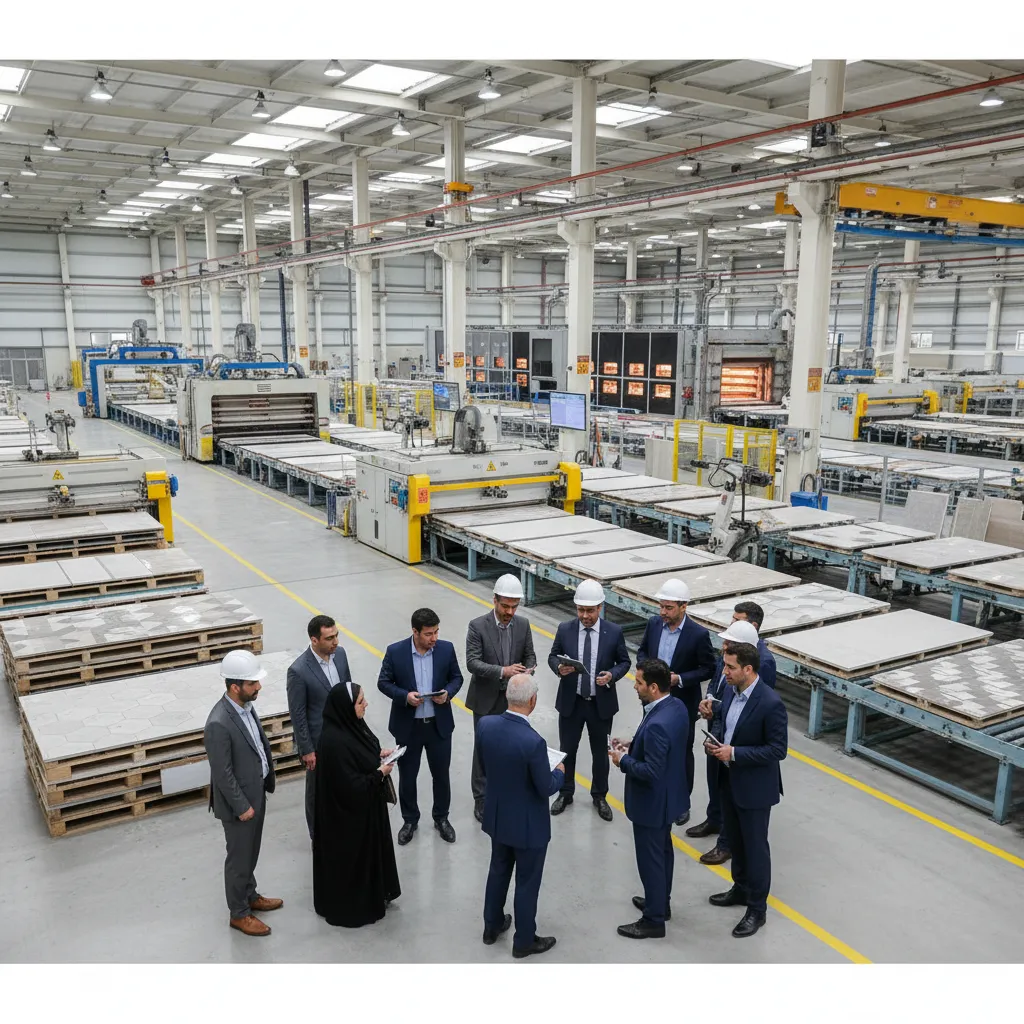
Iran’s ceramic and porcelain tile industry has undergone a remarkable transformation over the past two decades. Fueled by significant investments in modern technology and infrastructure, Iranian manufacturers now boast state-of-the-art production facilities equipped with European machinery from leading Italian and Spanish brands. This technological leap has allowed Iranian factories to produce tiles that not only meet but often exceed international quality standards.
The industry’s current state is characterized by high production volumes, diverse product offerings, and a strong focus on innovation. Iran is one of the top ten tile producers globally, with a capacity that comfortably serves both its robust domestic market and a growing export demand. This scale of production ensures a consistent supply chain and the ability to fulfill large orders for international buyers. For a deeper dive into the market dynamics, explore the Iran Ceramic Tiles Market: Growth and Opportunities.

Iranian tiles are renowned for their durability, aesthetic appeal, and variety. From elegant porcelain tiles suitable for high-traffic commercial spaces to intricate ceramic designs perfect for residential projects, the range is extensive. The commitment to quality is evident in products like Iranian Porcelain, which competes favorably with European counterparts. Many manufacturers adhere to ISO and CE standards, offering peace of mind to importers regarding product quality and safety.
Geographical Advantage: A Gateway to Profitability
One of Iran’s most significant competitive advantages for traders in the MENA and CIS regions is its strategic geographical position. Bordering numerous countries, Iran offers direct land routes and access to key international waters, including the Persian Gulf and the Caspian Sea. This proximity translates directly into lower shipping costs and shorter lead times, providing a substantial edge over more distant sourcing markets.
For neighboring countries and those within the broader MENA and CIS regions, the logistical benefits are immense. Reduced transportation expenses directly impact the landed cost of tiles, allowing importers to offer more competitive prices in their local markets and achieve higher profit margins. Whether by road through Turkey, Iraq, or Afghanistan, or by sea to countries like the UAE, Oman, and Russia, Iran’s logistical network is well-established for efficient tile exports. Learn more about regional exports in our guide to Ceramic Tile Export to Middle East Countries.
Navigating Payment Solutions: Overcoming Hurdles
While international banking sanctions have historically presented challenges, experienced Iranian tile exporters and trading companies have developed robust and reliable alternative payment mechanisms. These solutions ensure smooth and secure transactions for international buyers, particularly those in the MENA and CIS regions where direct financial channels are often more accessible.
Common approaches include using trusted third-party financial intermediaries, direct transfers through specific banks with established correspondent relationships, or leveraging Hawala systems for smaller, region-specific transactions. Reputable trading partners, such as KavianCeram, play a crucial role in facilitating these processes, providing expert guidance and ensuring transactional security. It is vital to partner with an experienced Ceramic Tile Trading Company that understands these nuances.
The Unbeatable Business Case: Quality, Variety, and Value
Beyond logistics and payment, the core business case for sourcing tiles from Iran rests on an attractive combination of quality, variety, and exceptional value. Iranian manufacturers benefit from abundant and affordable raw materials, coupled with lower energy and labor costs compared to many European producers. This allows them to offer tiles of comparable quality at a significantly lower price point.
The product range is vast, encompassing various types, sizes, and designs. You can find everything from large format slab tiles to intricate mosaic patterns, suitable for floors, walls, bathrooms, and kitchens. For a comprehensive overview of available products, you might consult an Iran Tile Catalog. Popular Iranian tile brands like Marjan, Alborz, Semnan, and Yazd are well-regarded for their quality and innovative designs. These brands often produce tiles in standard international sizes, which you can read about in Iran Tiles Sizes and Standards.
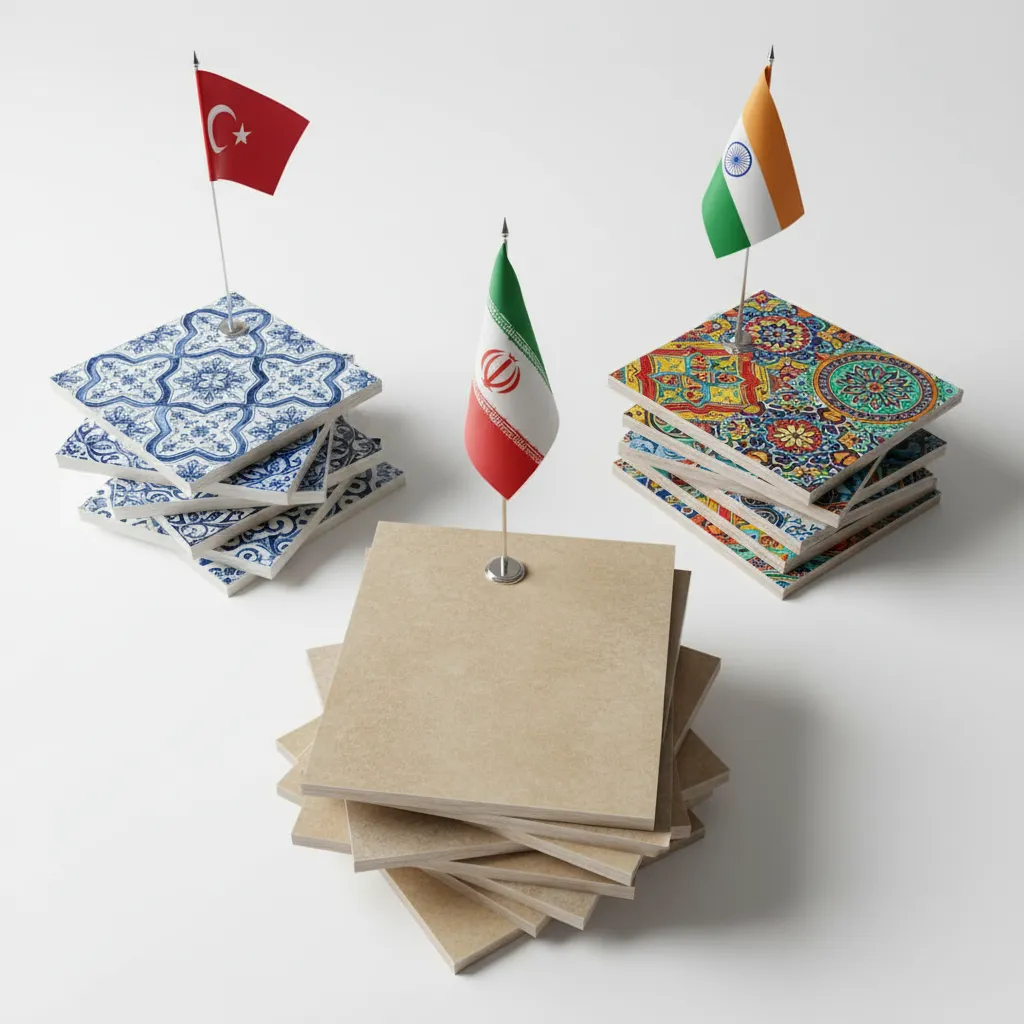
The aesthetic diversity is also a major draw. Iranian tiles reflect a rich cultural heritage while incorporating contemporary global design trends. From classic patterns to modern minimalist styles, there’s a tile to suit every architectural vision and market demand. For an idea of pricing, refer to the Iran Tiles Exporters Price List.
Key Steps for Successful Sourcing
To successfully source tiles from Iran, a structured approach is recommended:
- Market Research and Supplier Identification: Begin by identifying reputable Iranian tile manufacturers and exporters. Look for companies with a proven track record in international trade and quality certifications. Websites like KavianCeram often list Irani Tiles Company List and provide insights into Iran Tile Manufacturers.
- Product Selection and Sampling: Carefully select the types, designs, and specifications of tiles that align with your market’s demands. Request samples to verify quality, finish, and color consistency.
- Quality Control and Inspection: Implement stringent quality control measures throughout the production and loading process. Consider third-party inspections to ensure products meet agreed-upon standards before shipment.
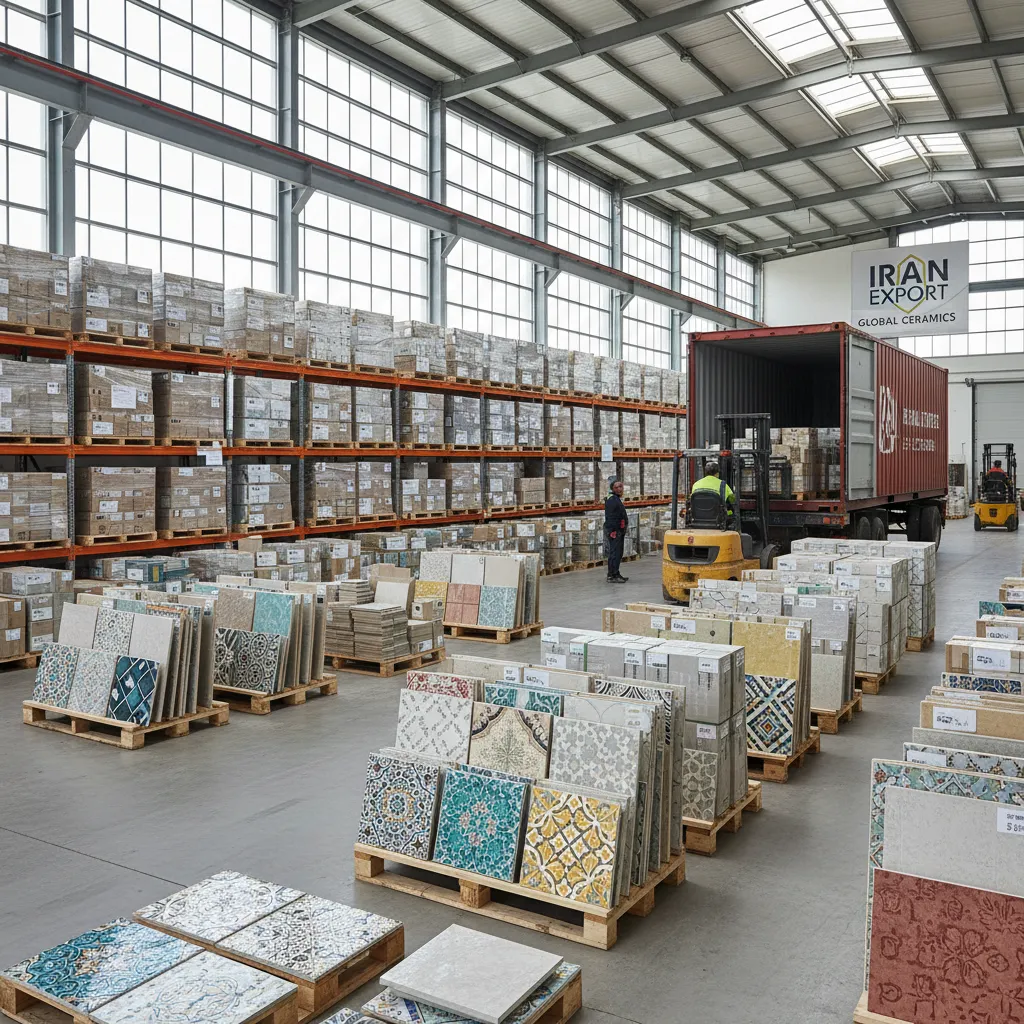
- Logistics and Documentation: Work closely with your chosen exporter to manage all logistical aspects, including packaging, loading, customs clearance, and shipping documentation. Ensure all paperwork, such as certificates of origin and invoices, is accurate and compliant with international regulations.
- Negotiation and Contract: Negotiate favorable terms for pricing, payment, delivery, and after-sales support. A clear, comprehensive contract is essential to protect both parties’ interests. For more detailed guidance, consult our article on How to Become a Successful Importer of Iranian Tiles.
Partnering with KavianCeram
At KavianCeram, we specialize in connecting international traders and developers with the finest Iranian tile manufacturers. Our expertise spans the entire export process, from sourcing and quality control to logistics and customs clearance. We understand the specific needs of the MENA and CIS markets and are dedicated to providing seamless, reliable, and cost-effective solutions for your tile import requirements. We offer access to the best Iranian tiles, ensuring you receive products that meet global benchmarks.
Whether you are interested in Kashan Tile, Alborz Tile, Semnan Tile, or Yazd Tile, our portfolio includes a wide array of options to satisfy diverse project demands. We simplify the complexities of international trade, allowing you to focus on your core business while we handle the intricacies of sourcing and delivery.
Conclusion
Sourcing tiles from Iran offers a strategic advantage for traders in the MENA and CIS regions, combining high-quality products, competitive pricing, and logistical efficiency. By understanding the industry landscape, leveraging geographical proximity, and partnering with experienced exporters, you can unlock significant growth opportunities and enhance your market position. Iran’s tile industry is ready to be your reliable partner in building success.
FAQ
What are the main advantages of sourcing tiles from Iran for MENA and CIS traders?
The primary advantages include high-quality products comparable to European standards, significantly lower prices due to reduced energy and labor costs, and geographical proximity leading to lower shipping costs and faster delivery times for MENA and CIS regions.
How do Iranian tile manufacturers ensure quality?
Iranian manufacturers have invested heavily in modern European machinery and adhere to international quality standards such as ISO and CE. Many factories employ rigorous internal quality control processes, and third-party inspections can also be arranged to ensure product conformity.
What are the common payment methods for importing tiles from Iran?
Due to specific banking circumstances, common payment methods often involve trusted third-party financial intermediaries, direct transfers through specific correspondent banks, or regional Hawala systems. Experienced trading companies like KavianCeram facilitate secure and reliable transactions.
What types of tiles can be sourced from Iran?
Iran produces a wide variety of ceramic and porcelain tiles, including floor tiles, wall tiles, bathroom tiles, kitchen tiles, glazed and unglazed options, large format slabs, and decorative tiles. Major brands like Marjan, Alborz, Semnan, Yazd, Kashan, and Isfahan offer diverse designs and specifications.
Is it possible to get custom tile designs or specific sizes?
Many Iranian manufacturers are flexible and can accommodate custom designs, specific sizes, or private labeling for large volume orders. It is best to discuss specific requirements with your chosen exporter or manufacturer to determine feasibility and minimum order quantities.