The Ultimate Guide to Sourcing Tiles from Iran: A Handbook for Traders in MENA & CIS Regions
The global construction and interior design markets are constantly seeking high-quality, cost-effective materials. For traders and developers in the MENA (Middle East and North Africa) and CIS (Commonwealth of Independent States) regions, Iran presents an unparalleled opportunity for sourcing premium ceramic and porcelain tiles. With a rich history of craftsmanship merged with modern manufacturing capabilities, Iran has emerged as a significant player in the international tile industry. This comprehensive guide is designed to equip importers, wholesalers, and construction developers with the knowledge needed to successfully navigate the Iranian tile market, ensuring profitable and sustainable partnerships.
Why Iran? The Strategic Advantage for MENA & CIS Traders
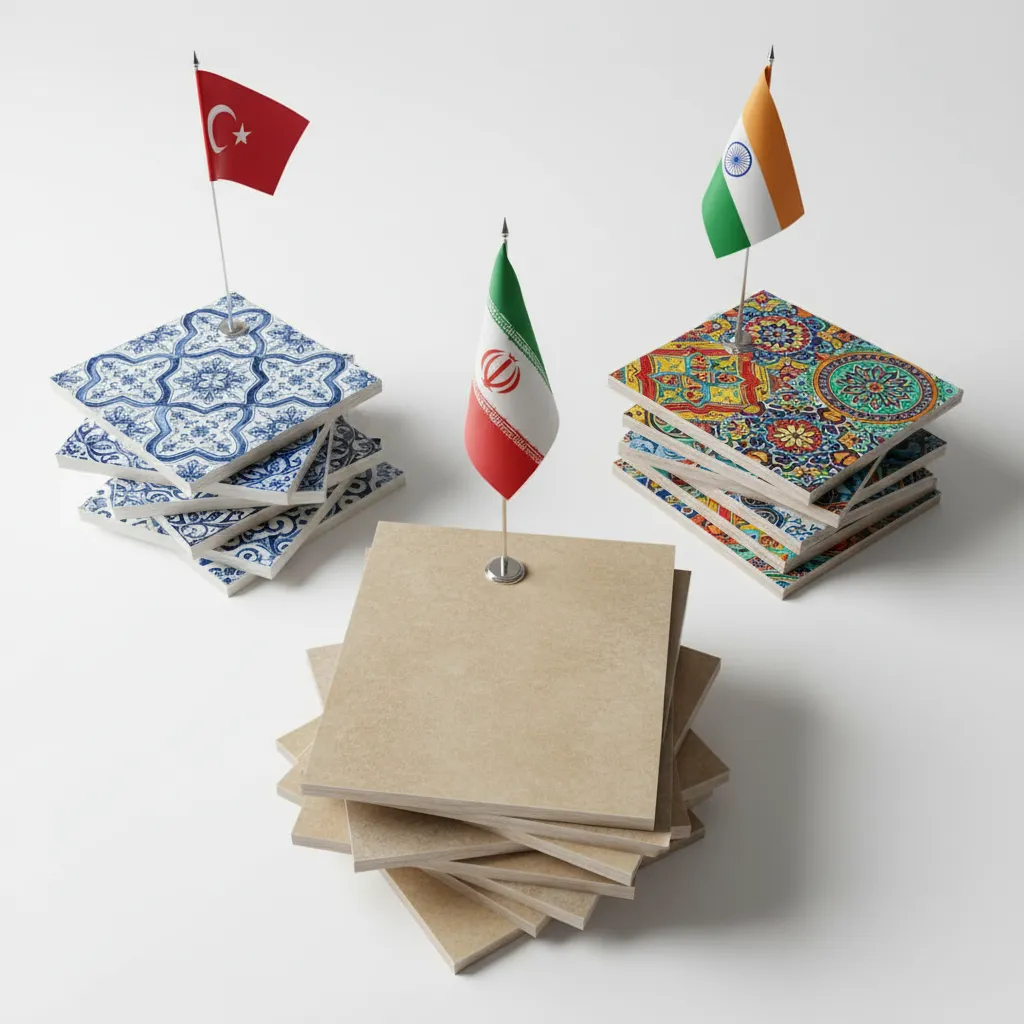
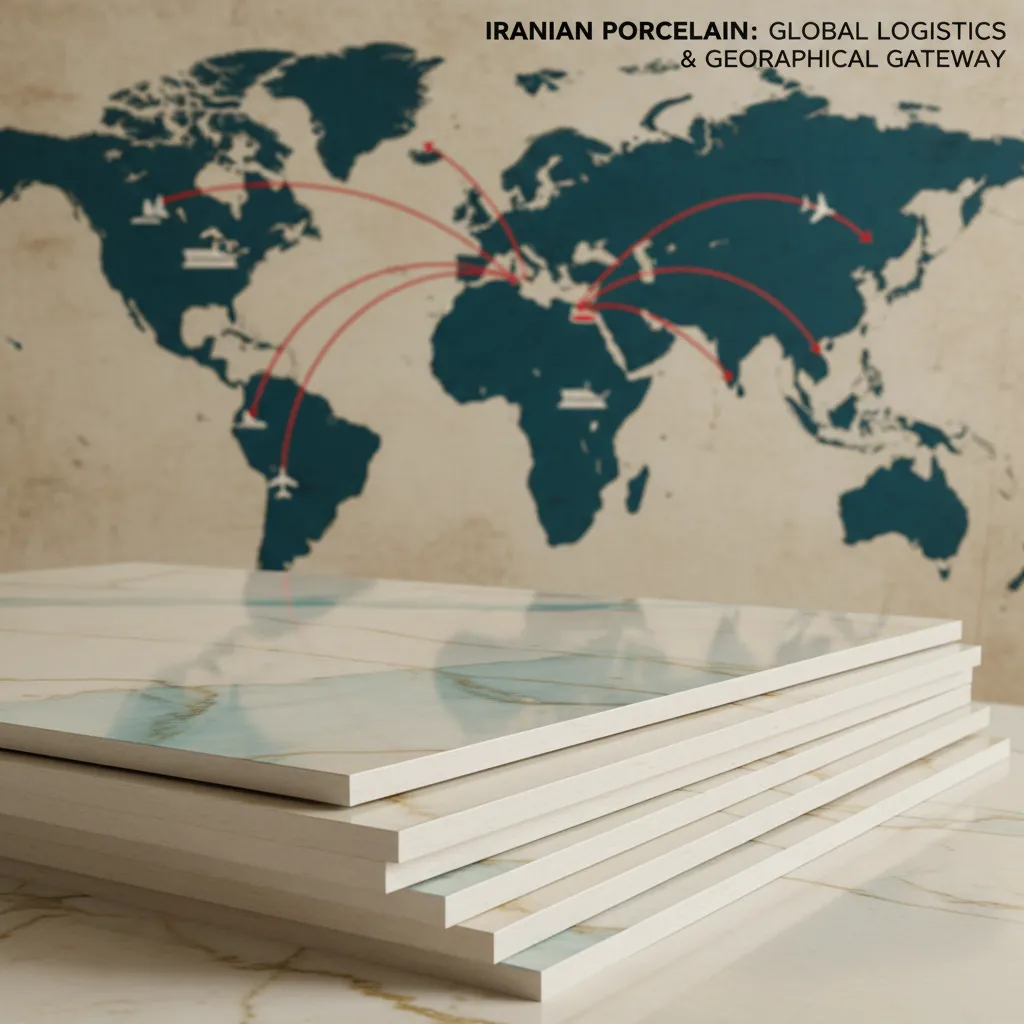
Iran’s strategic geographical location offers a distinct advantage for businesses in neighboring MENA and CIS countries. Proximity significantly reduces shipping costs and transit times, making Iranian tiles highly competitive compared to those sourced from more distant markets. Beyond logistics, Iran boasts a centuries-old tradition of ceramic art, which has evolved into a sophisticated industrial sector. Today, Iranian manufacturers leverage state-of-the-art technology, producing tiles that meet international quality standards while often offering more attractive pricing. This combination of quality, cost-effectiveness, and logistical ease makes Iran an ideal sourcing hub.
The Iranian Tile Industry: A Modern Powerhouse
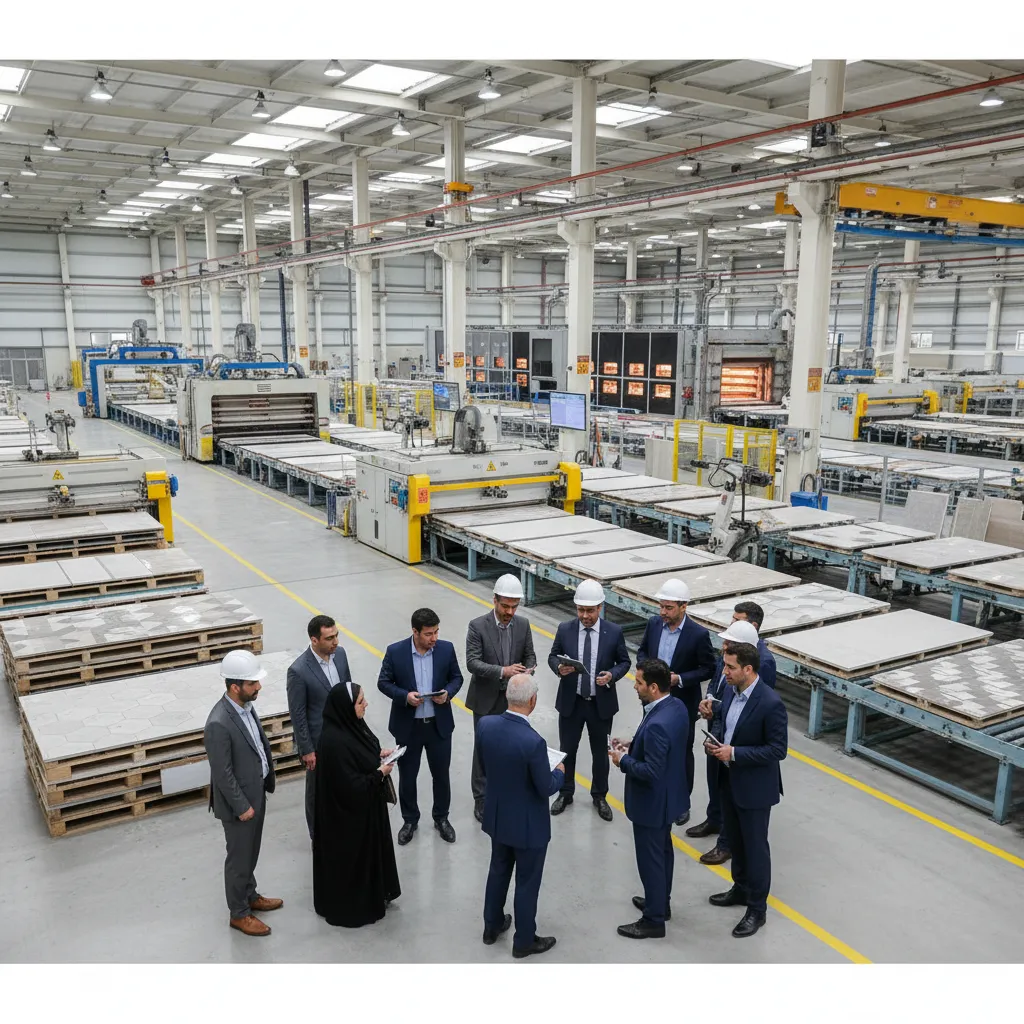
The Iranian tile industry has undergone a remarkable transformation, blending its artistic heritage with advanced production techniques. Modern factories across the country are equipped with cutting-edge machinery from Europe, enabling the production of diverse tile types, including high-quality Iranian porcelain and ceramic tiles. The industry’s volume capacity is substantial, capable of meeting large-scale international demands. From robust floor tiles to elegant wall tiles, and specialized products like Book Match tiles, Iranian manufacturers offer a vast array of designs, sizes, and finishes. For a deeper understanding of the market, explore the Iran Ceramic Tiles Market: Growth and Opportunities. To identify the top performers, consider reviewing The best Iranian tiles available for export.
Technology and Volume
Iranian tile manufacturers have heavily invested in automation and quality control systems, ensuring consistency and durability. This commitment to innovation allows for the production of large quantities of tiles, ranging from standard formats to large-format slabs like 60×120 tiles, catering to various project scales. This technological prowess is a key factor in Iran’s ability to compete globally.
Quality and Variety
The range of Iranian tiles is extensive, encompassing ceramic, porcelain, glazed, unglazed, polished, matte, and textured finishes. Buyers can find options suitable for all applications, from residential bathrooms to heavy-traffic commercial floors. For specific needs, refer to guides on Iran Bathroom Tiles and Iran Wall Tiles. Understanding Iran Tiles Sizes and Standards is also crucial for seamless integration into international projects.
Navigating the Sourcing Process: A Step-by-Step Guide
Successful sourcing from Iran requires a structured approach. Here’s how to streamline your procurement process:
1. Identifying Reliable Suppliers
Finding trustworthy partners is paramount. Look for established Irani Tiles Company List and Iran Tiles Exporters Online with a proven track record in international trade. Companies like KavianCeram specialize in connecting international buyers with the best Iranian manufacturers, ensuring quality and adherence to export regulations. For more insights, consider reading How to Become a Successful Importer of Iranian Tiles.
2. Quality Control and Standards
Before finalizing an order, it’s essential to verify product quality. Request samples, review certifications, and ideally, conduct pre-shipment inspections. Reputable exporters will be transparent about their manufacturing processes and quality assurance protocols. Ensure the tiles meet the specific standards required in your target market.
3. Negotiation and Pricing
Iranian tile prices are often highly competitive. However, effective negotiation can further optimize costs. Understand the factors influencing pricing, such as tile type, volume, finish, and packaging. Accessing an Iran Tiles Exporters Price List can provide a valuable benchmark. It is also beneficial to compare prices and quality with other markets by consulting resources like Comparing the Price and Quality of Ceramic Tiles from Different Countries.
4. Logistics and Shipping
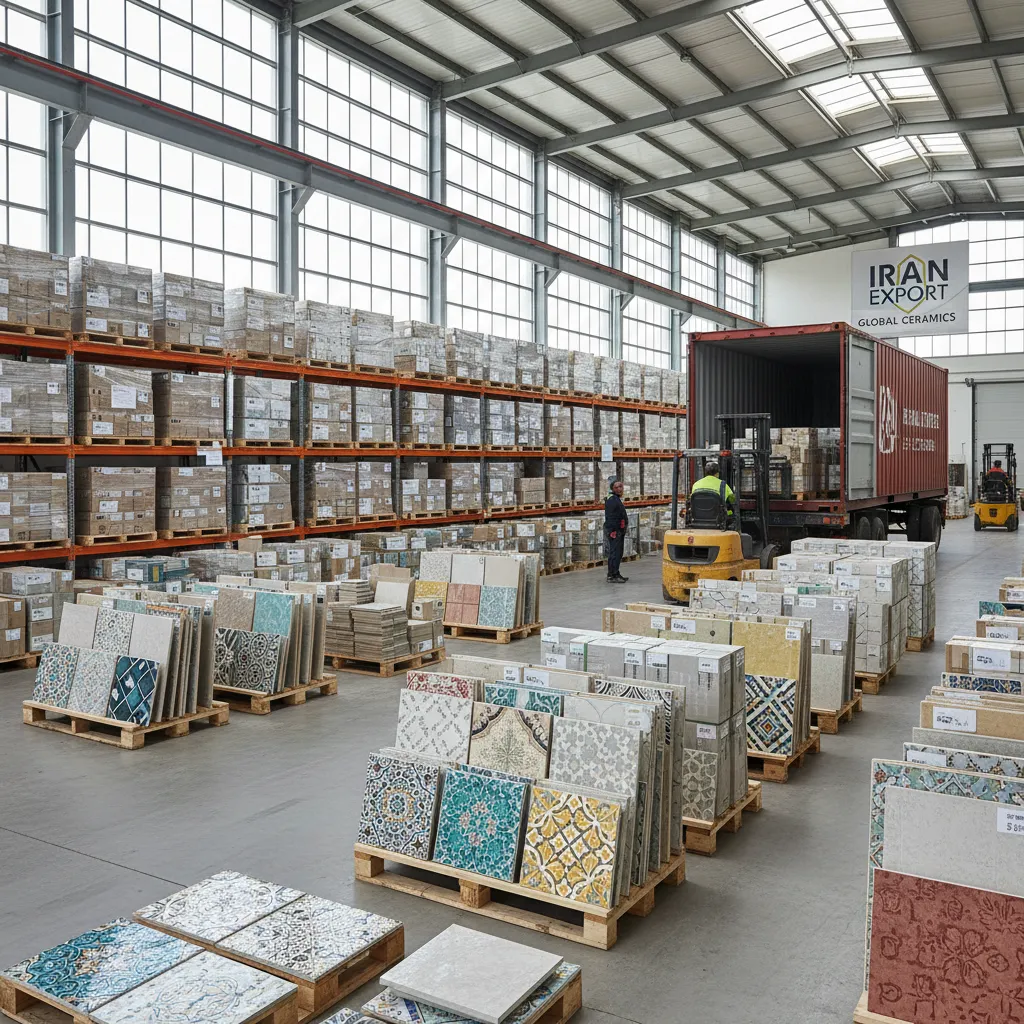
Given the geographical advantage, optimizing logistics is key. Choose experienced freight forwarders familiar with routes to MENA and CIS regions. Pay close attention to Ceramic Tile Packaging, as proper packaging is crucial for minimizing damage during transit. For regional exports, consider the comprehensive insights offered in Ceramic Tile Export to Middle East Countries.
Overcoming Financial Hurdles: Payment Solutions
One of the primary concerns for international traders dealing with Iran is navigating banking restrictions. However, experienced trading companies and sourcing agents have established reliable alternative payment channels. These often involve using third-party financial facilitators, exchange houses, or direct transfer mechanisms that comply with international regulations. It is crucial to work with partners who have a deep understanding of these mechanisms and can ensure secure and efficient transactions. KavianCeram, for instance, offers guidance and solutions to simplify the payment process, ensuring smooth trade operations despite external challenges.
Partnering with KavianCeram: Your Gateway to Iranian Tiles
As a leading ceramic tile trading company, KavianCeram specializes in facilitating the export of high-quality Iranian tiles to global markets. We act as your trusted partner, offering end-to-end solutions from supplier identification and quality control to logistics and customs clearance. Our extensive network and expertise simplify the sourcing process, allowing you to access the best of Iranian tile production efficiently and reliably. Visit our Products page to see our wide range, or Contact Us to discuss your specific needs. Learn more about our commitment to excellence on our About Us page and explore our comprehensive Services.
Conclusion
Sourcing tiles from Iran offers a compelling proposition for traders in the MENA and CIS regions, combining competitive pricing, superior quality, and logistical efficiency. By understanding the industry landscape, navigating the sourcing process diligently, and leveraging expert partners like KavianCeram, businesses can unlock significant growth opportunities. Embrace the potential of Iranian tiles and elevate your projects with products that stand for quality and value.
Frequently Asked Questions
Q: What types of tiles can I source from Iran?
A: Iran produces a wide range of tiles, including ceramic, porcelain, glazed, unglazed, polished, matte, and textured finishes. You can find options for floor, wall, bathroom, kitchen, and specialized applications like large-format slabs and Book Match tiles.
Q: How do Iranian tile prices compare to international markets?
A: Iranian tiles are generally very competitively priced, especially when considering the high quality and advanced manufacturing techniques. Proximity to MENA and CIS regions also helps reduce shipping costs, further enhancing their cost-effectiveness.
Q: What are the typical shipping options for Iranian tiles to MENA and CIS regions?
A: Due to Iran’s strategic location, common shipping options include road transport, sea freight (via Persian Gulf ports), and rail. The choice depends on the destination, volume, and urgency, with road transport being particularly efficient for neighboring countries.
Q: How can I ensure the quality of tiles when sourcing from Iran?
A: To ensure quality, work with reputable exporters like KavianCeram who provide samples, share quality certifications, and facilitate pre-shipment inspections. It’s also advisable to understand Iranian tile standards and compare them with international benchmarks.
Q: Are there challenges with international payments when dealing with Iran, and how can they be overcome?
A: Yes, international banking restrictions can pose challenges. However, experienced trading companies have established alternative payment solutions, such as using third-party financial facilitators or exchange houses, to ensure secure and compliant transactions. Partnering with a knowledgeable exporter is key.